On July 27, 2024 David Huie presented on Fish Rooms at a joint meeting with SCAPE and SCKC. Here’s a summary of the key points he covered:
Stands
Weight Considerations: Water weighs 8.34 lbs per gallon. When accounting for the tank and substrate, the total weight is approximately 10-12 lbs per gallon.
Volume Measurements: A 4x4x4 inch cube holds about 1 liter (2.2 lbs) of water. One gallon is 231 cubic inches, and a cubic foot of water weighs 62.4 lbs.
Material Choices: Wood and metal stands are both suitable. When making a wood stand, use stainless steel screws (not nails) so the stand can be easily disassembled or adjusted. Stainless steel is important because certain metals will corrode. Never use plywood or particle board to hold weight because these materials deform or degrade in water. The exception is as a surface under the tank if it’s supported by something else.
Aeration
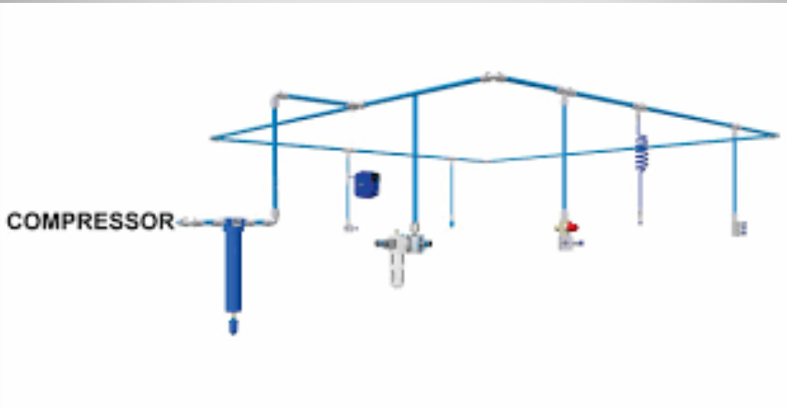
Centralized Air System: Opt for a PVC pressure loop with an input from a large pump. A system that is end-to-end and not a loop requires you to re-adjust all the valves when you change one valve. A pressure loop equalizes the pressure in the whole system and greatly reduces the need to adjust valves. Valves can be added by drilling holes into the PCV loop.
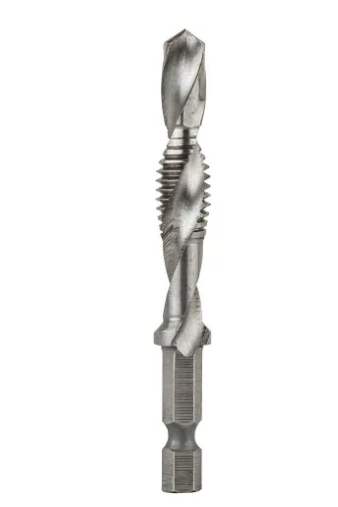
You may need to tap the PVC with a special drill bit to create threads for the valve to bite into. Use a bleed valve so unused air does not build up pressure and damage the pump.
Pressure Requirements: Calculate ~0.5 psi per foot of depth to match water pressure, plus an additional 2 psi for airflow.
Volume requirements: Calculate about 1 liter per min per air stone to create a current. Less for sponge filters or less vigorous aeration
Air Pumps
Regular Air Pumps (1-3 tanks): Examples are pumps like the Whisper-series by Tetra.
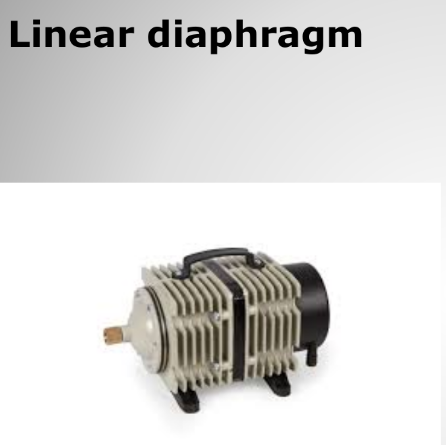
Linear Diaphragm Pumps (40-60 tanks): Powerful but loud and hot; inexpensive.
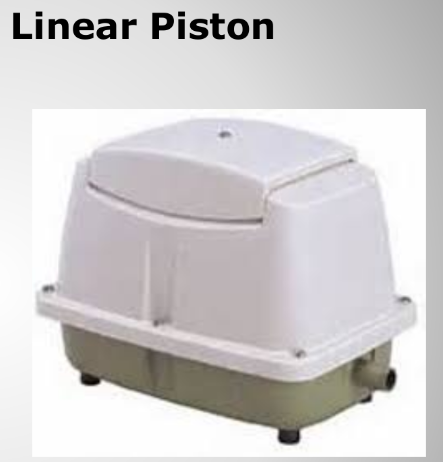
Linear Piston Pumps (40-60 tanks): Quiet, efficient, ideal for indoor spaces; more expensive but can be cheaper if bought as “septic air pump.”
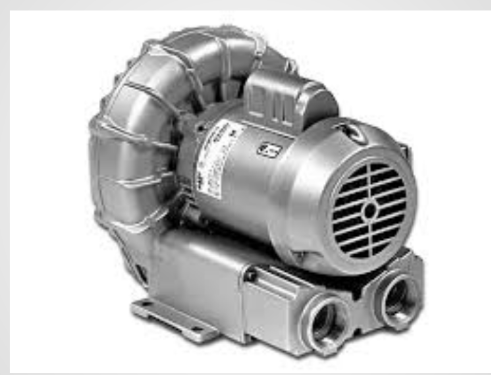
Air Blowers (60+ tanks): High-powered but loud; difficult to find lower outputs and they output directly into PVC.
Heating
You can either use aquarium heaters or heat the room. If you heat the room, humidity is less of a problem than if you heat the water. The water temperature will be a few degrees cooler than the air temperature due to evaporation. Using electric heaters is not as cost effective as natural gas if you’re heating a space. Heating the water directly will cause more evaporation and humidity than heating the air in the room. When using gas to heat the room, test the air for dangerous gasses such as carbon monoxide.
Plumbing and Water Supply
If you’re using Reverse Osmosis, you can plumb the system so the RO water goes into one tank and the heavily mineralized waste water goes into a separate tank. If you choose not to use dechlorinator, it takes about 1 week for chlorine and chloramines to evaporate out of the water. Elevating the holding tanks to the top of the fish room allows you to use gravity for water changes.
If you own the house or your landlord allows it, you can plumb a water source directly into the fish room. Plumbing is relatively easy, but learning the names for different tools, valves, and fittings can be challenging
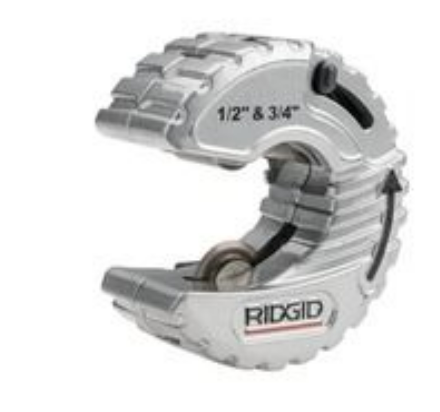
Do not cut copper pipes with a hacksaw. There are inexpensive tools to cut metal and PVC tubing cleanly. It’s also a good idea to add a valve where you cut into copper pipe so water can be shut off locally.
The depth PVC pipes are inserted into PCV Joints is always the diameter of the pipe.
PVC solvent is not glue. It dissolves the plastic and cures to form a bond.
PEX and Sharkbite fittings make plumbing much easier, but can be expensive and the longevity is unknown. Be careful bending PEX too sharply around corners.
When working with copper fittings, use two wrenches: one for the fitting and a second to hold the pipe in place. If you use one wrench and enough force, the copper pipe can bend which is an expensive problem to fix.
Water Pump
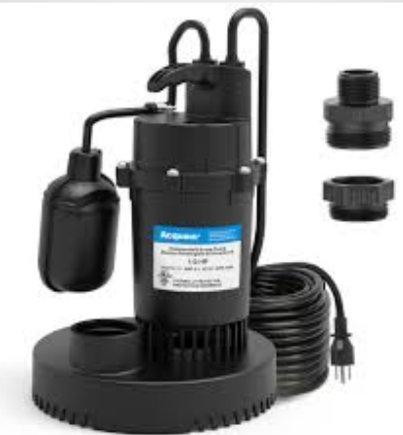
A submersible sump pump can drain water down to about 1/8 inch. Attach a hose to the pump and direct the waste water to water plants or into a drain. The pump has a base with openings cut around the bottom to prevent the water from forming a whirlpool.
Electricity
Water pumps use about 30% more than their rated wattage due to inefficiencies. Eg. a 1hp pump (746 watts) will use about 1,000 watts.
Install GFCI outlets for anything powering an aquarium.
Safety: Install GFCI outlets for any aquarium equipment. Avoid assuming wire colors are correct; always verify connections. Never trust wire colors alone because it is dangerous to assume the last person to do work on the house used the right wires.
Miscellaneous
You can bend PVC pipe very easily by heating it. If you cut open an old toaster oven, it can be used to heat PCV pipe for bending. Fill the pipe with sand or salt to prevent it from kinking when you bend it.
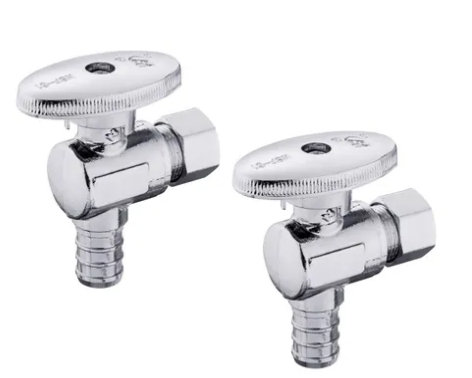
Kitchen and bathroom faucets have a valve for hot and cold water called an “angle stop”. This valve can be replaced with a T-valve connected to a hose to make water changes easier. This is superior to “Python-style” fittings that connect to the faucet (you need to remove the aerator), which are made of plastic and are not durable.
Leave a Reply