Author: kenmurch@gmail.com

  • 2026-06-12 AKA Convention in St. Louis

    The AKA 2026 Convention will be held in St. Louis, MO June 12 – 14, 2026.

    The AKA convention is the national killifish event of the year. It is held in different cities each year, depending on which affiliate club successfully bids to host it. This event is attended by killifish enthusiasts from all over the US, Canada and from other countries. It starts on the Friday evening, with talks on Friday and Saturday. There is a show in which many species of killifish, ranging from the common to the very rare, are there for display and for judging.

    On Sunday the big auction takes place, with hundreds of pairs of killifish, including all those in the show, are for sale. If you want to see and acquire killies, this is the place to do it! But most of all, this is a wonderful opportunity to socialize with fellow killie enthusiasts.

    Hosted by St Louis Area Killifish Association (SLAKA) and Missouri Aquarium Society Incorporated (MASI)

    Convention features:
    5 Speakers & Workshops, 4 Field Trips, 16 Class Fish Show, Huge Vendor Room, Friendly Hospitality Room, Awards Banquet, both Fish Auction and SWAP/Box Sales!

    2026 Program:
    ●Frans Vermeulen: Twice: Killifish of South America & Running my Fishroom
    ●Michi Tobler, PhD: Fish Ecology, Evolution and Conservation
    ●Brendan Tubbs: Rice Fish and Tubbing
    ●Andrej Spec, MD: Propagating aquarium plants for Killifish
    ●Mike Hellweg: Cultivating live foods for Killifish Collecting Trips & Tours
    ● Thurs, June 11 Fundulus zebrinus Collecting*
    ● Fri, June 12 Tobler Fish Lab
    ● Fri, June 12 MultiFishroom Visit
    ● Mon, June 15 MO Natives Collecting*

    SHOW Classes:
    1: New World Non-Annuals
    2: Rivulus
    3: South American
    Annuals
    4: Nothobranchius
    5: Fundulopanchax,
    omitting Paraphysemion
    6: Fundulopanchax, only
    Paraphysemion
    7: Blue Gularis
    8: Mesoaphyosemion,
    omitting Calliurium types
    9: Mesaphyosemion, only
    Calliurium types
    10: Chromaphyosemion
    11: Archiaphysemion,
    Scriptsemion &
    Nimbopanchax
    12: Aphyosemion, & All
    Others
    13: Epiplatys
    14: All Other Old World
    15: Matched Breeding Pairs
    16: Digital Photography

    MAILING SHOW ENTRIES
    Register Show fish after January 1 using the early fish registration program on the AKA web site. Late submissions may also be registered when fish arrive with you at the convention.

    Ship to:
    Jack Heller
    14212 Trailtop Drive
    Chesterfield, MO 63017
    Phone: 314-576-5111
    Email: hellerjackl@aol.com

    All mail-ins must be received by Wednesday, June 11, 2026. The list of fish and contact info MUST be included in the shipping container and also included in an Email to Jack providing him the Container tracking information.

    Display tanks are generally 2 gallon Critter Keepers – larger tanks will be found for the occasional oversized fish.

    Show Site & Hotel Rooms
    Holiday Inn Airport West
    3400 Rider Trail South
    Earth City, MO 63045

    Guest Amenities: Include breakfast buffet, indoor pool, exercise room, bar and restaurant. The room rate is $135 + tax for a King or 2 Queen beds when mentioning the AKA Convention. Call 314-291-6800 or use their website to make reservations. Limited Rooms with AKA Rate so RESERVE EARLY.

    Free Shuttle to/from the St. Louis Airport provided by the Hotel.

    Convention Registration
    ● Adult – Before May 1 = $50
    ● Adult – After May 1 = $65
    ● Juvenile, 12-16 yr = $20
    ● Each Collecting* Trip/Tour = $10
    (*Collecting Trip requires MO Fishing Permit, $9/day, found at MO WalMart or online)
    ● Awards Banquet TBD, see website: www.aka.org

    Convention Sponsorships!
    Sponsor Level:
    ● Show Class Sponsor – $100
    ● Speaker Sponsor – $50
    ● Convention Donor – $25
    ● Gold $1,000 Product or $500 Cash
    ● Silver $500 Product or $250 Cash
    ● Bronze $250 Product or $125 Cash

    Commit Sponsorships before May 1 for appropriate Gratis Registration and Convention advertising!

    Other Offerings
    ● Swap Day Table $25
    ● T-Shirt: Child, Adult, Manly $TBD Watch Website
    ● Convention Booklet AD
    Full Page – $50
    Half Page – $25
  • 2026-04-11 SAKE (Phoenix AZ)

    SAKE is the annual Southwest Aquarium Keepers Event and is a one-day public conference for aquarium hobbyists. SAKE features programs by prominent people on a variety of topics, a raffle, and both silent and regular auctions. Admission is free.

    When: 
    April 11, 2026 

    Where:
    Sun City West Foundation
    14465 W R H Johnson Blvd
    Sun City West, AZ 85375

    Registration opens January 12, 2026. 

    Speakers
    Greg Sage on selective fish breeding

    John Aspega on conservation/rehoming

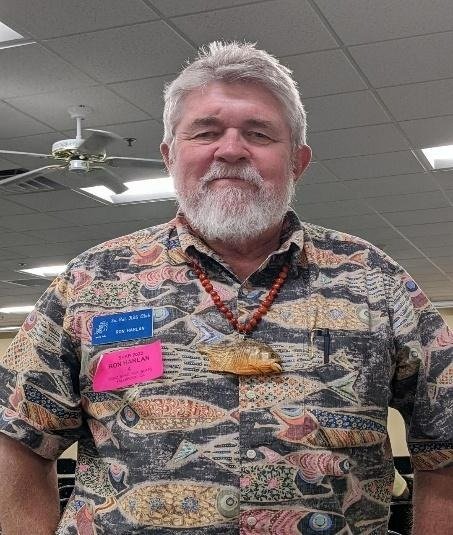
    Dr. Ron Harlan on killfishes

    Chuck Rambo on dwarf cichlids

    See the SAKE Facebook group for details and updates – https://www.facebook.com/groups/541562413991851

  • 2026-01-17 Meeting in West Los Angeles

    2026-01-17 Meeting in West Los Angeles

    We’re back in January starting on the 3rd Saturday of the month at the home of one of our club members close to LAX. As usual, we will auction fish.

    Thank you again to everyone who attended our December meeting and Annual SCKC Holiday Party, especially to those who brought food and drinks for the potluck. It was a great turnout and a fun way to wrap up the year.

    Tacos will be served from the same caterer as the August BBQ. If you have not received an email with the address and invitation details, please leave a message with SCKC and introduce yourself.

    Meeting Notes
    This meeting will most likely be held indoors due to the cold. Please note Ray has a large (well-behaved) dog and a parrot.  The dog may be in another room for the meeting, but be aware if you have pet allergies.


    Auction
    We’ll have a fish auction as usual. Please pre-register your auction items on Auction.Fish: https://auction.fish/auctions/sckc-auction-january-2026/

    Pre-registering helps us start the meeting smoothly. We’ll have the label printer at the event as usual.

    A few reminders:

    • Sellers: please register early.
    • Proxy bidding will be available online for SCKC members and select guests. Proxy bidders must arrange pickup or shipping with someone attending.
    • Need help? Visit: https://socalkillie.club/meeting-and-auction/
    Or email: socalkillifish@gmail.com

    We hope to see you there for tacos, fish, and a great afternoon with the club!

  • David Huie on Fish Rooms

    On July 27, 2024 David Huie presented on Fish Rooms at a joint meeting with SCAPE and SCKC.  Here’s a summary of the key points he covered:

    Stands

    Weight Considerations: Water weighs 8.34 lbs per gallon. When accounting for the tank and substrate, the total weight is approximately 10-12 lbs per gallon.

    Volume Measurements: A 4x4x4 inch cube holds about 1 liter (2.2 lbs) of water. One gallon is 231 cubic inches, and a cubic foot of water weighs 62.4 lbs.

    Material Choices: Wood and metal stands are both suitable. When making a wood stand, use stainless steel screws (not nails) so the stand can be easily disassembled or adjusted.  Stainless steel is important because certain metals will corrode. Never use plywood or particle board to hold weight because these materials deform or degrade in water.  The exception is as a surface under the tank if it’s supported by something else. 

    Aeration 

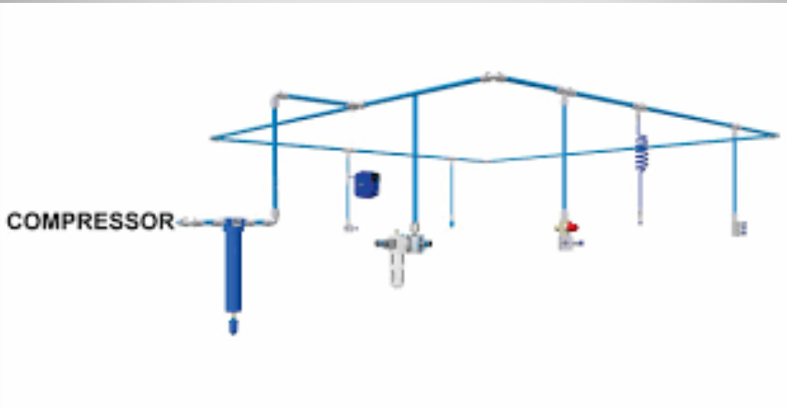
    Centralized Air System: Opt for a PVC pressure loop with an input from a large pump.  A system that is end-to-end and not a loop requires you to re-adjust all the valves when you change one valve.  A pressure loop equalizes the pressure in the whole system and greatly reduces the need to adjust valves. Valves can be added by drilling holes into the PCV loop. 

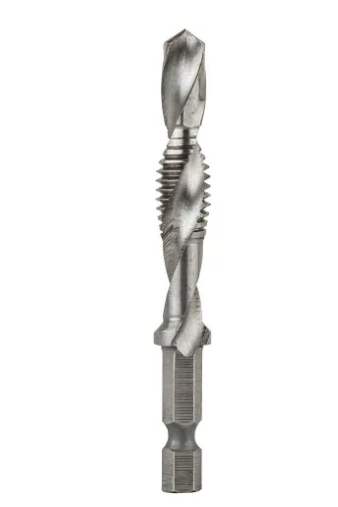
    You may need to tap the PVC with a special drill bit to create threads for the valve to bite into.  Use a bleed valve so unused air does not build up pressure and damage the pump.

    Pressure Requirements: Calculate ~0.5 psi per foot of depth to match water pressure, plus an additional 2 psi for airflow.

    Volume requirements: Calculate about 1 liter per min per air stone to create a current.  Less for sponge filters or less vigorous aeration

    Air Pumps

    Regular Air Pumps (1-3 tanks): Examples are pumps like the Whisper-series by Tetra.

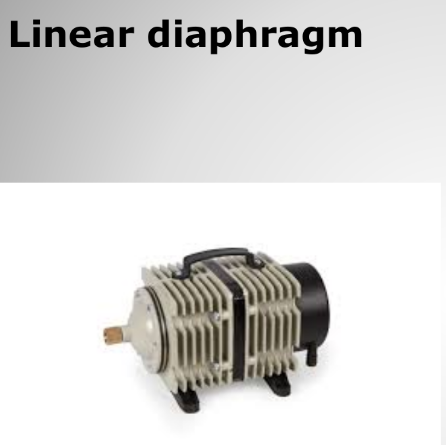
    Linear Diaphragm Pumps (40-60 tanks): Powerful but loud and hot; inexpensive.

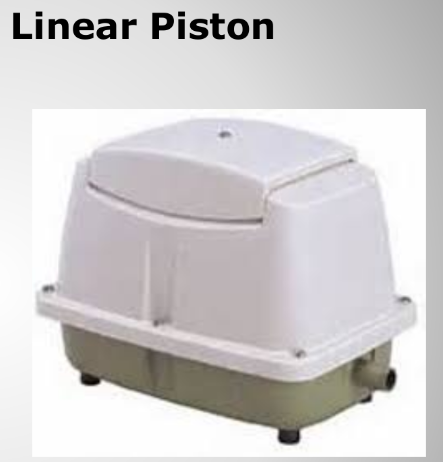
    Linear Piston Pumps (40-60 tanks): Quiet, efficient, ideal for indoor spaces; more expensive but can be cheaper if bought as “septic air pump.”

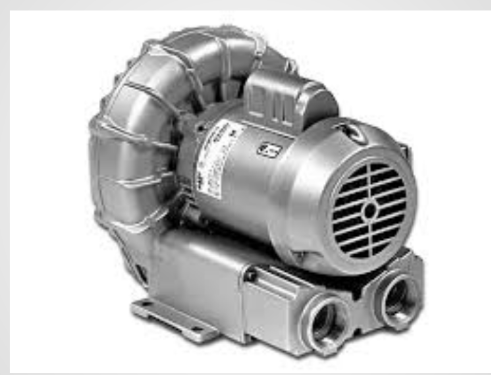
    Air Blowers (60+ tanks): High-powered but loud; difficult to find lower outputs and they output directly into PVC.

    Heating

    You can either use aquarium heaters or heat the room.  If you heat the room, humidity is less of a problem than if you heat the water.  The water temperature will be a few degrees cooler than the air temperature due to evaporation.  Using electric heaters is not as cost effective as natural gas if you’re heating a space.  Heating the water directly will cause more evaporation and humidity than heating the air in the room.  When using gas to heat the room, test the air for dangerous gasses such as carbon monoxide. 

    Plumbing and Water Supply

    If you’re using Reverse Osmosis, you can plumb the system so the RO water goes into one tank and the heavily mineralized waste water goes into a separate tank.  If you choose not to use dechlorinator, it takes about 1 week for chlorine and chloramines to evaporate out of the water.  Elevating the holding tanks to the top of the fish room allows you to use gravity for water changes.

    If you own the house or your landlord allows it, you can plumb a water source directly into the fish room. Plumbing is relatively easy, but learning the names for different tools, valves, and fittings can be challenging

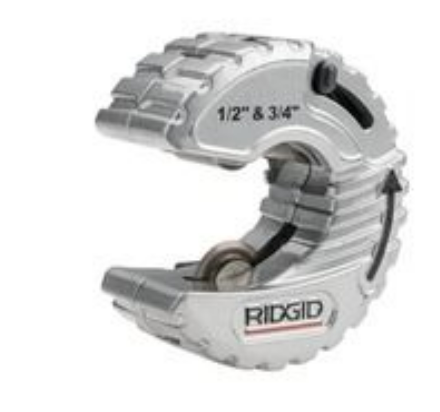
    Do not cut copper pipes with a hacksaw. There are inexpensive tools to cut metal and PVC tubing cleanly. It’s also a good idea to add a valve where you cut into copper pipe so water can be shut off locally.

    The depth PVC pipes are inserted into PCV Joints is always the diameter of the pipe.

    PVC solvent is not glue.  It dissolves the plastic and cures to form a bond.

    PEX and Sharkbite fittings make plumbing much easier, but can be expensive and the longevity is unknown.  Be careful bending PEX too sharply around corners. 

    When working with copper fittings, use two wrenches: one for the fitting and a second to hold the pipe in place. If you use one wrench and enough force, the copper pipe can bend which is an expensive problem to fix.

    Water Pump

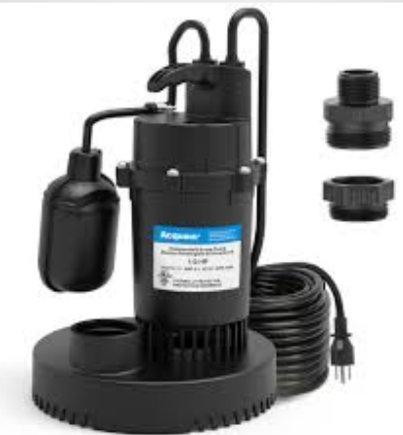
    A submersible sump pump can drain water down to about 1/8 inch.  Attach a hose to the pump and direct the waste water to water plants or into a drain. The pump has a base with openings cut around the bottom to prevent the water from forming a whirlpool.

    Electricity

    Water pumps use about 30% more than their rated wattage due to inefficiencies.  Eg. a 1hp pump (746 watts) will use about 1,000 watts.

    Install GFCI outlets for anything powering an aquarium.

    Safety: Install GFCI outlets for any aquarium equipment. Avoid assuming wire colors are correct; always verify connections. Never trust wire colors alone because it is dangerous to assume the last person to do work on the house used the right wires. 

    Miscellaneous

    You can bend PVC pipe very easily by heating it.  If you cut open an old toaster oven, it can be used to heat PCV pipe for bending.  Fill the pipe with sand or salt to prevent it from kinking when you bend it. 

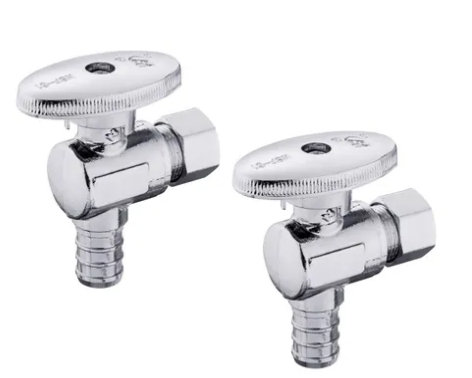
    Kitchen and bathroom faucets have a valve for hot and cold water called an “angle stop”. This valve can be replaced with a T-valve connected to a hose to make water changes easier. This is superior to “Python-style” fittings that connect to the faucet (you need to remove the aerator), which are made of plastic and are not durable.

  • David Huie on Fish Rooms

    On July 27, 2024 David Huie presented on Fish Rooms at a joint meeting with SCAPE and SCKC.  Here’s a summary of the key points he covered:

    Stands

    Weight Considerations: Water weighs 8.34 lbs per gallon. When accounting for the tank and substrate, the total weight is approximately 10-12 lbs per gallon.

    Volume Measurements: A 4x4x4 inch cube holds about 1 liter (2.2 lbs) of water. One gallon is 231 cubic inches, and a cubic foot of water weighs 62.4 lbs.

    Material Choices: Wood and metal stands are both suitable. When making a wood stand, use stainless steel screws (not nails) so the stand can be easily disassembled or adjusted.  Stainless steel is important because certain metals will corrode. Never use plywood or particle board to hold weight because these materials deform or degrade in water.  The exception is as a surface under the tank if it’s supported by something else. 

    Aeration 

    Centralized Air System: Opt for a PVC pressure loop with an input from a large pump.  A system that is end-to-end and not a loop requires you to re-adjust all the valves when you change one valve.  A pressure loop equalizes the pressure in the whole system and greatly reduces the need to adjust valves. Valves can be added by drilling holes into the PCV loop. 

    You may need to tap the PVC with a special drill bit to create threads for the valve to bite into.  Use a bleed valve so unused air does not build up pressure and damage the pump.

    Pressure Requirements: Calculate ~0.5 psi per foot of depth to match water pressure, plus an additional 2 psi for airflow.

    Volume requirements: Calculate about 1 liter per min per air stone to create a current.  Less for sponge filters or less vigorous aeration

    Air Pumps

    Regular Air Pumps (1-3 tanks): Examples are pumps like the Whisper-series by Tetra.

    Linear Diaphragm Pumps (40-60 tanks): Powerful but loud and hot; inexpensive.

    Linear Piston Pumps (40-60 tanks): Quiet, efficient, ideal for indoor spaces; more expensive but can be cheaper if bought as “septic air pump.”

    Air Blowers (60+ tanks): High-powered but loud; difficult to find lower outputs and they output directly into PVC.

    Heating

    You can either use aquarium heaters or heat the room.  If you heat the room, humidity is less of a problem than if you heat the water.  The water temperature will be a few degrees cooler than the air temperature due to evaporation.  Using electric heaters is not as cost effective as natural gas if you’re heating a space.  Heating the water directly will cause more evaporation and humidity than heating the air in the room.  When using gas to heat the room, test the air for dangerous gasses such as carbon monoxide. 

    Plumbing and Water Supply

    If you’re using Reverse Osmosis, you can plumb the system so the RO water goes into one tank and the heavily mineralized waste water goes into a separate tank.  If you choose not to use dechlorinator, it takes about 1 week for chlorine and chloramines to evaporate out of the water.  Elevating the holding tanks to the top of the fish room allows you to use gravity for water changes.

    If you own the house or your landlord allows it, you can plumb a water source directly into the fish room. Plumbing is relatively easy, but learning the names for different tools, valves, and fittings can be challenging

    Do not cut copper pipes with a hacksaw. There are inexpensive tools to cut metal and PVC tubing cleanly. It’s also a good idea to add a valve where you cut into copper pipe so water can be shut off locally.

    The depth PVC pipes are inserted into PCV Joints is always the diameter of the pipe.

    PVC solvent is not glue.  It dissolves the plastic and cures to form a bond.

    PEX and Sharkbite fittings make plumbing much easier, but can be expensive and the longevity is unknown.  Be careful bending PEX too sharply around corners. 

    When working with copper fittings, use two wrenches: one for the fitting and a second to hold the pipe in place. If you use one wrench and enough force, the copper pipe can bend which is an expensive problem to fix.

    Water Pump

    A submersible sump pump can drain water down to about 1/8 inch.  Attach a hose to the pump and direct the waste water to water plants or into a drain. The pump has a base with openings cut around the bottom to prevent the water from forming a whirlpool.

    Electricity

    Water pumps use about 30% more than their rated wattage due to inefficiencies.  Eg. a 1hp pump (746 watts) will use about 1,000 watts.

    Install GFCI outlets for anything powering an aquarium.

    Safety: Install GFCI outlets for any aquarium equipment. Avoid assuming wire colors are correct; always verify connections. Never trust wire colors alone because it is dangerous to assume the last person to do work on the house used the right wires. 

    Miscellaneous

    You can bend PVC pipe very easily by heating it.  If you cut open an old toaster oven, it can be used to heat PCV pipe for bending.  Fill the pipe with sand or salt to prevent it from kinking when you bend it. 

    Kitchen and bathroom faucets have a valve for hot and cold water called an “angle stop”. This valve can be replaced with a T-valve connected to a hose to make water changes easier. This is superior to “Python-style” fittings that connect to the faucet (you need to remove the aerator), which are made of plastic and are not durable.

  • Efficient Fish Shipping: Tips and Tricks for Using ShipStation and Pirate Ship

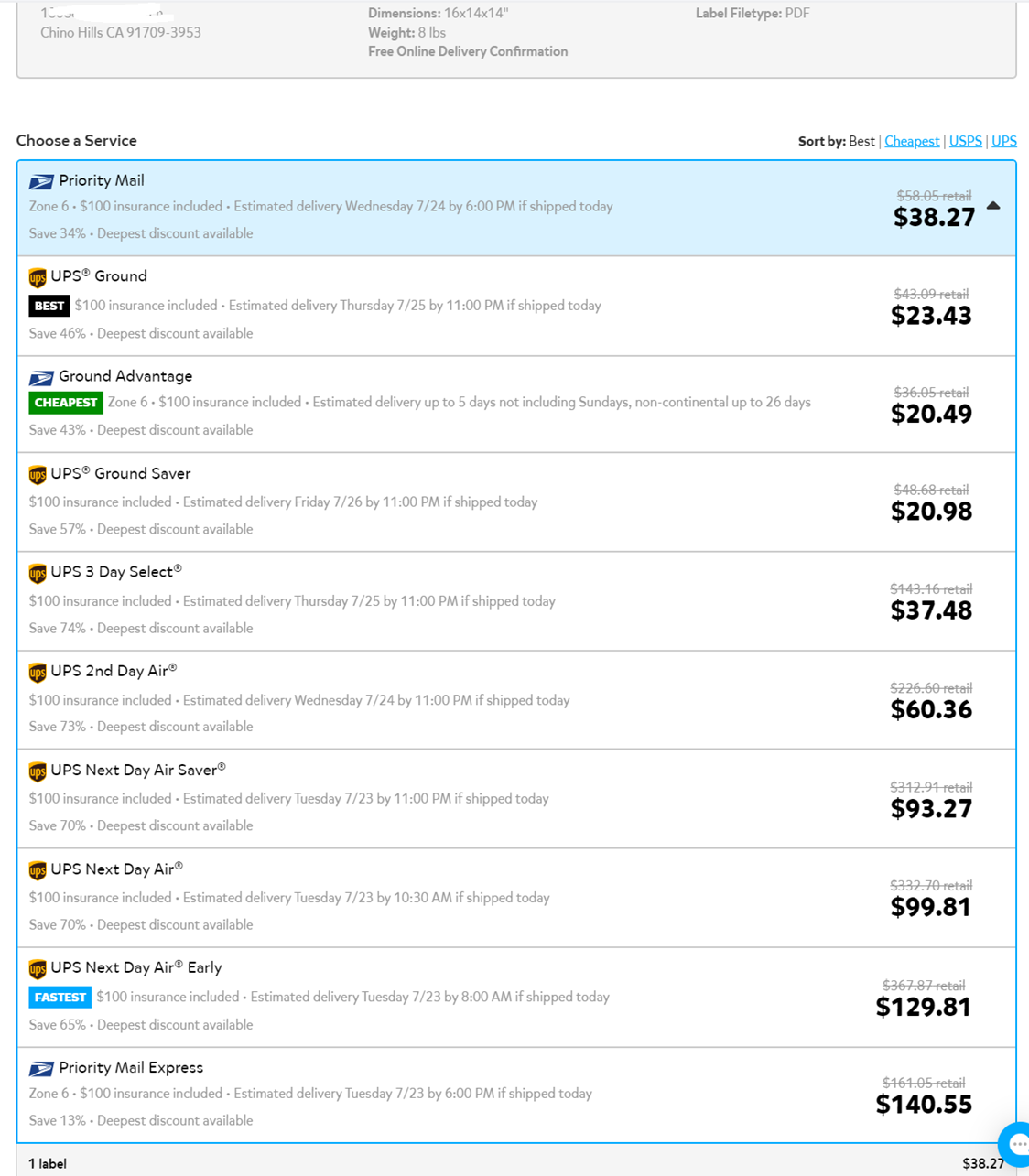
    One of the most frustrating aspects of buying and selling aquatic items online is the shipping cost. Services like ShipStation, Pirate Ship, and Shippo provide a valuable shipping tool that allows anyone to purchase deeply discounted USPS and UPS labels online. There’s no need to subscribe to any service; the only cost to you is the shipping label, which is typically about half the regular price!

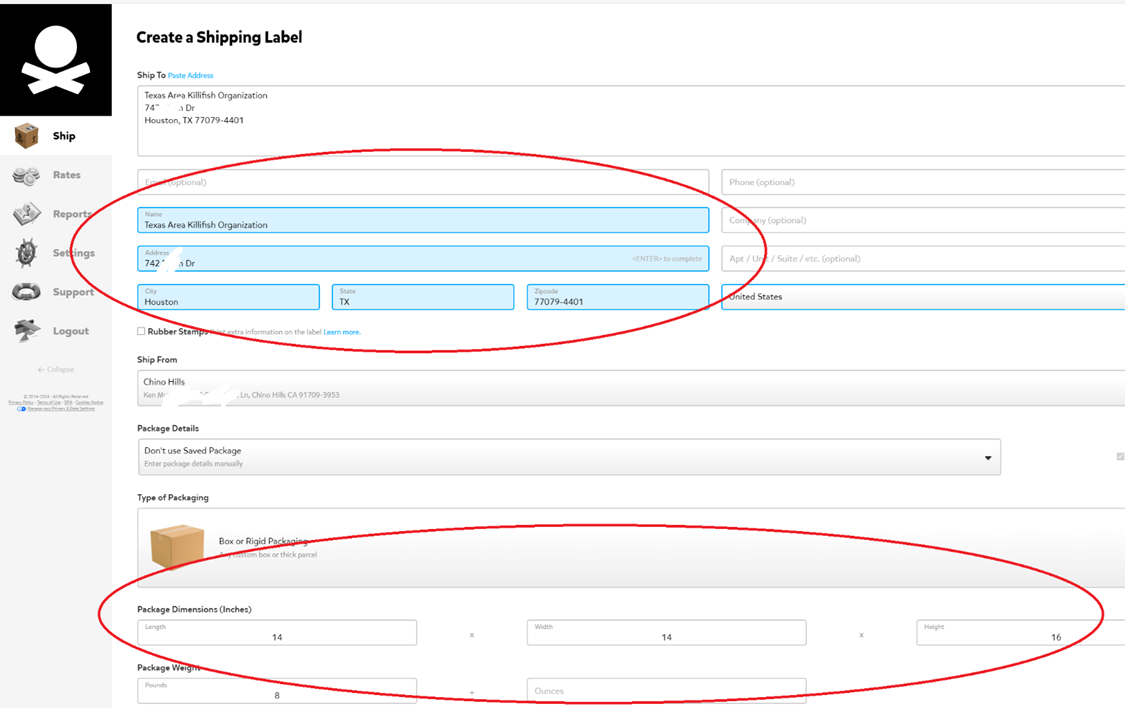
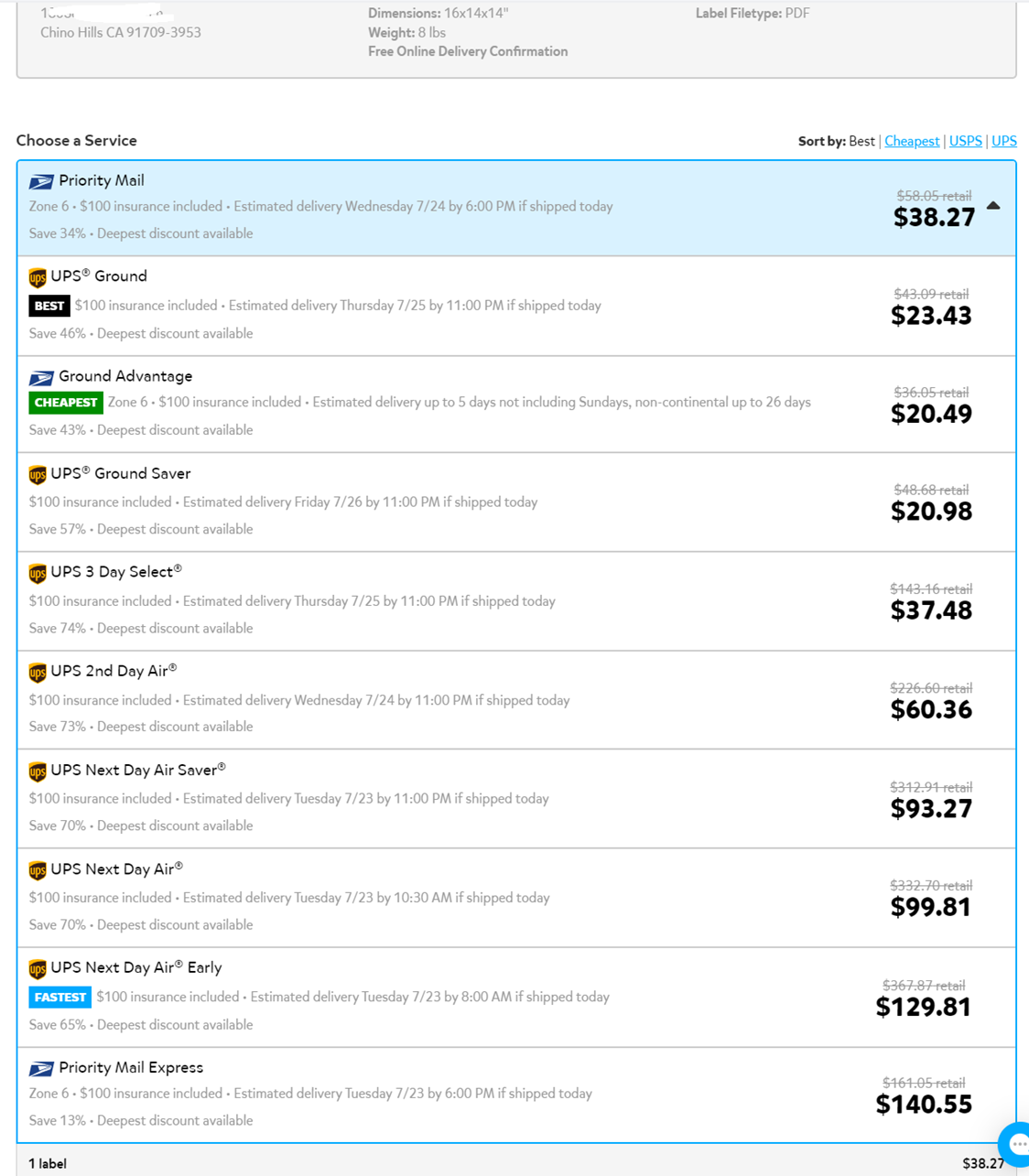
    Pirate Ship shows the options to ship a 14 x 14 x 16 box from Chino Hills, CA to Houston, TX.

    I have been using Pirate Ship for over a year and have been very happy with how cheap and easy it is to compare shipping options and ship my fish for the right balance of price and delivery speed. I recently discovered my PayPal integrates with another shipping tool, ShipStation, which I think is less user-friendly than Pirate Ship, but often has lower rates for UPS.

    Besides using platforms such as ShipStation and Pirate Ship to buy discounted labels, a few tricks when shipping fish that worth mentioning are:

    • If you’re sending a package within a few hours driving distance, UPS Ground delivers next day
    • When sending fish to places with extremely hot or cold weather, don’t leave the box outside exposed to the elements. You can have UPS deliver to one of their hubs, or USPS to hold it at a Post Office with their “General Delivery” service.
    • Insulate the box to avoid temperature swings. Putting bags of fish inside bubble mailer envelopes, then putting the envelopes inside a box makes doubles as quick insulation and as waterproofing in case of a leak.
    • Catch your fish for the day before bagging them and don’t feed them. Fish can live without food for many days, but will die quickly if the water fouls from their waste products.

    How to use PayPal’s integration to ShipStation

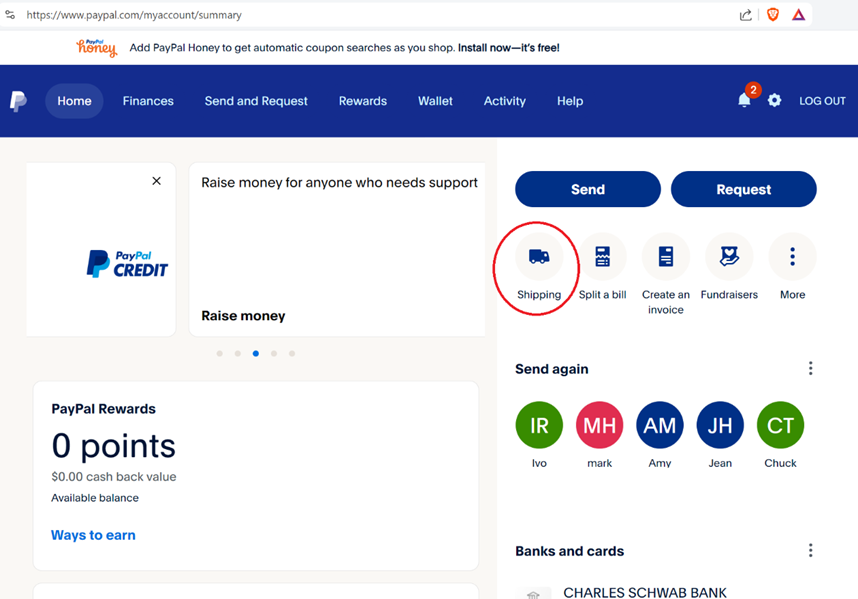
    1. Log onto PayPal and click on shipping from the Home Page

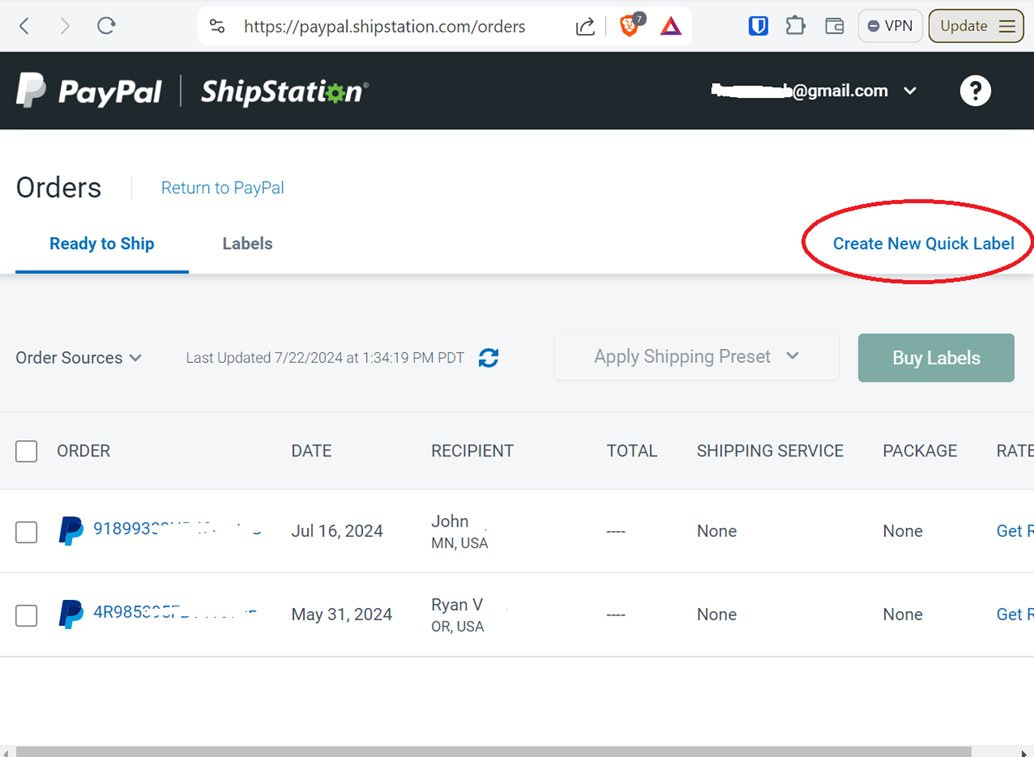
    2. Create a new label

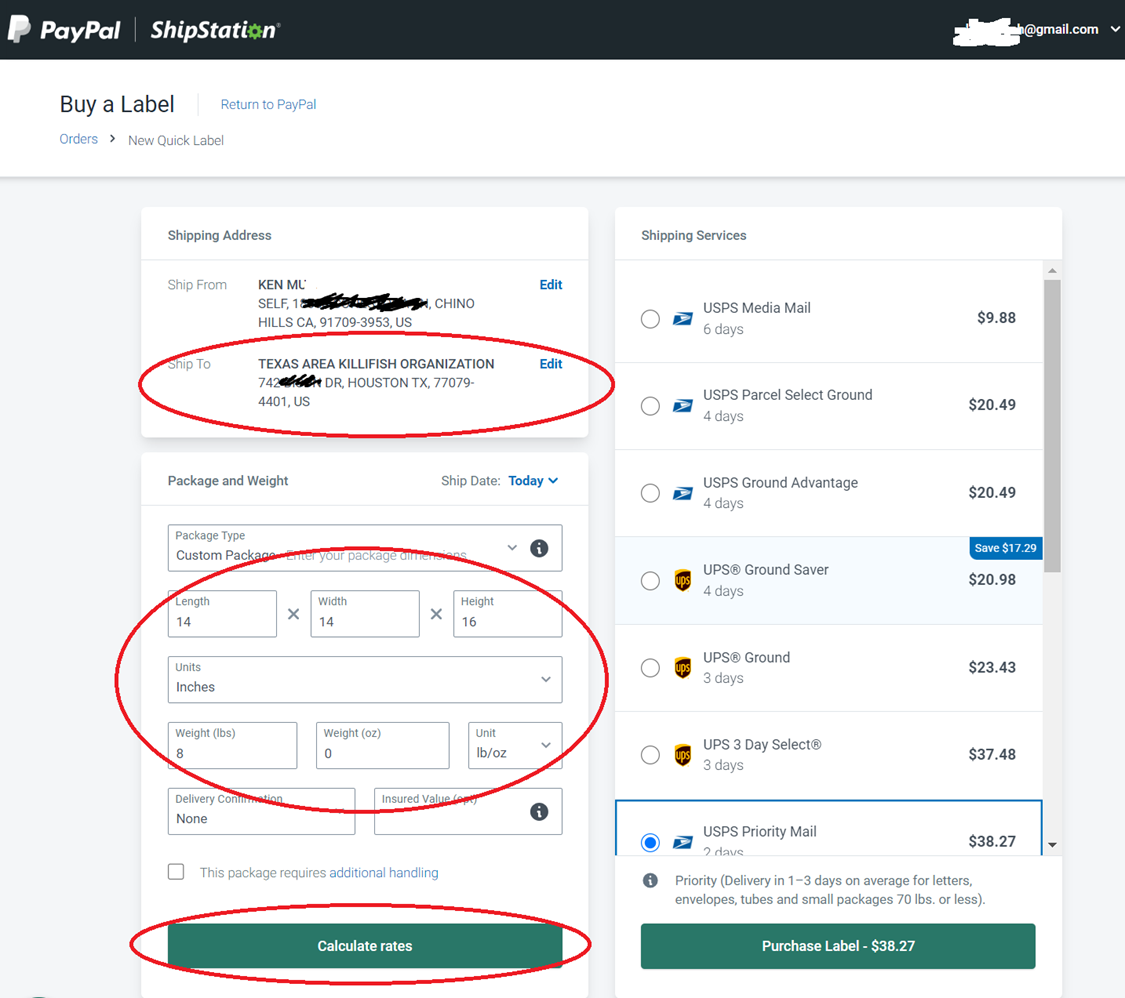
    3. Enter the address you’re shipping to, the dimensions and weight of the package, then click on “Calculate Rates”.  You’ll see shipping options by USPS and UPS.  Select an option and purchase your label, which can be printed and attached to your package.

    Compared to buying directly from USPS, using ShipStation is $20 cheaper

    How to use Pirate Ship

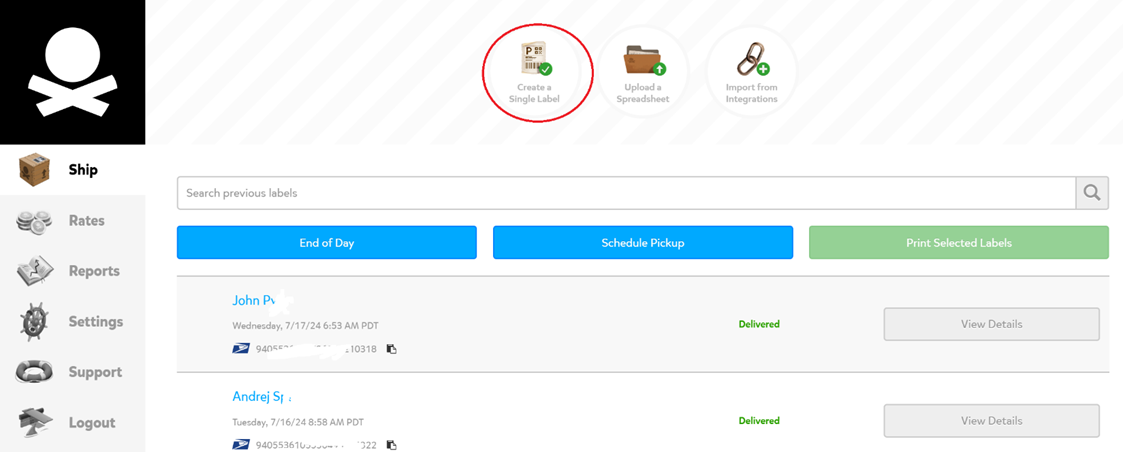
    Go to https://www.pirateship.com/ and create a free account or sign in. Once you create a free account, create a shipping label

    Enter address + weights and dimensions, then scroll down and click on “Get Rates”

    Choose the shipping option that has the best balance of delivery time and price

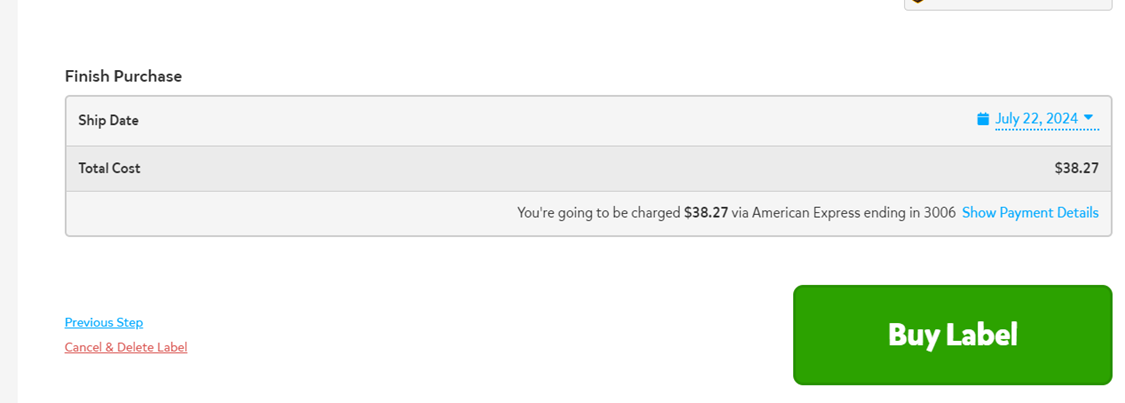
    Select your shipping option and buy the label.  You can print it from your computer and drop off your package!

    Recent Examples of items I shipped with Pirate Ship

  • Efficient Fish Shipping: Tips and Tricks for Using ShipStation and Pirate Ship

    One of the most frustrating aspects of buying and selling aquatic items online is the shipping cost. Services like ShipStation, Pirate Ship, and Shippo provide a valuable shipping tool that allows anyone to purchase deeply discounted USPS and UPS labels online. There’s no need to subscribe to any service; the only cost to you is the shipping label, which is typically about half the regular price!

    Pirate Ship shows the options to ship a 14 x 14 x 16 box from Chino Hills, CA to Houston, TX.

    I have been using Pirate Ship for over a year and have been very happy with how cheap and easy it is to compare shipping options and ship my fish for the right balance of price and delivery speed. I recently discovered my PayPal integrates with another shipping tool, ShipStation, which I think is less user-friendly than Pirate Ship, but often has lower rates for UPS.

    Besides using platforms such as ShipStation and Pirate Ship to buy discounted labels, a few tricks when shipping fish that worth mentioning are:

    • If you’re sending a package within a few hours driving distance, UPS Ground delivers next day
    • When sending fish to places with extremely hot or cold weather, don’t leave the box outside exposed to the elements. You can have UPS deliver to one of their hubs, or USPS to hold it at a Post Office with their “General Delivery” service.
    • Insulate the box to avoid temperature swings. Putting bags of fish inside bubble mailer envelopes, then putting the envelopes inside a box makes doubles as quick insulation and as waterproofing in case of a leak.
    • Catch your fish for the day before bagging them and don’t feed them. Fish can live without food for many days, but will die quickly if the water fouls from their waste products.

    How to use PayPal’s integration to ShipStation

    1. Log onto PayPal and click on shipping from the Home Page

    2. Create a new label

    3. Enter the address you’re shipping to, the dimensions and weight of the package, then click on “Calculate Rates”.  You’ll see shipping options by USPS and UPS.  Select an option and purchase your label, which can be printed and attached to your package.

    Compared to buying directly from USPS, using ShipStation is $20 cheaper

    How to use Pirate Ship

    Go to https://www.pirateship.com/ and create a free account or sign in. Once you create a free account, create a shipping label

    Enter address + weights and dimensions, then scroll down and click on “Get Rates”

    Choose the shipping option that has the best balance of delivery time and price

    Select your shipping option and buy the label.  You can print it from your computer and drop off your package!

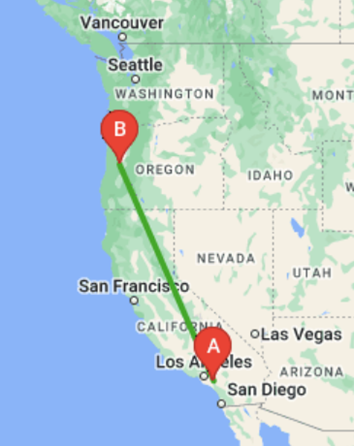
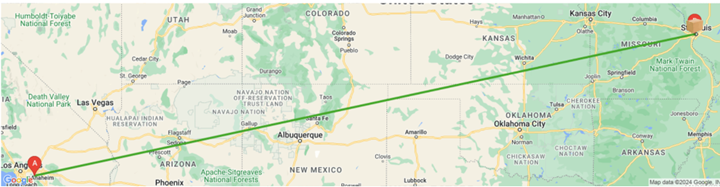
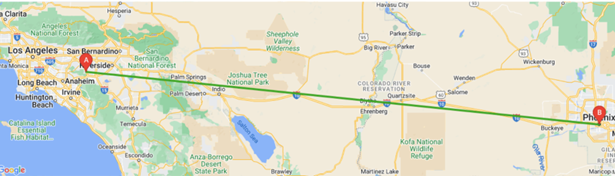
    Recent Examples of items I shipped with Pirate Ship