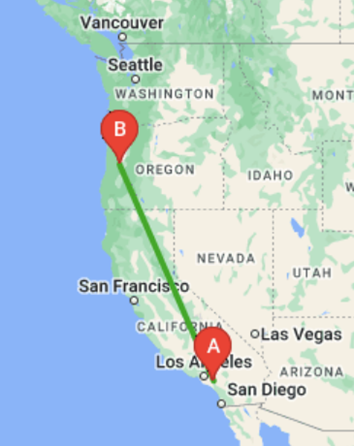
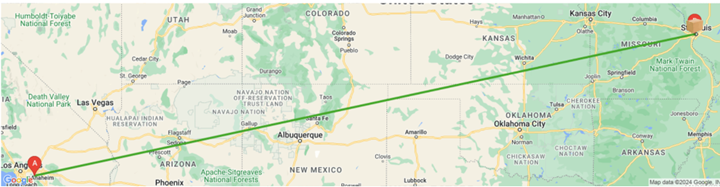
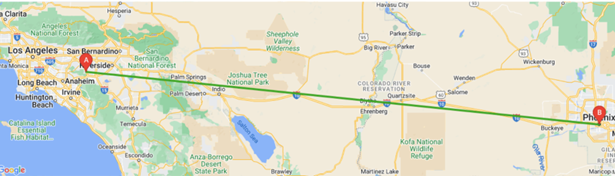
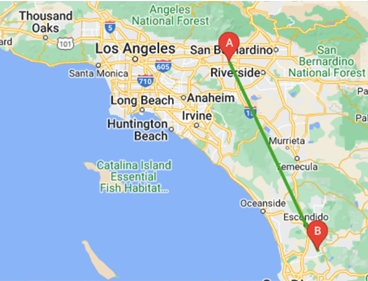
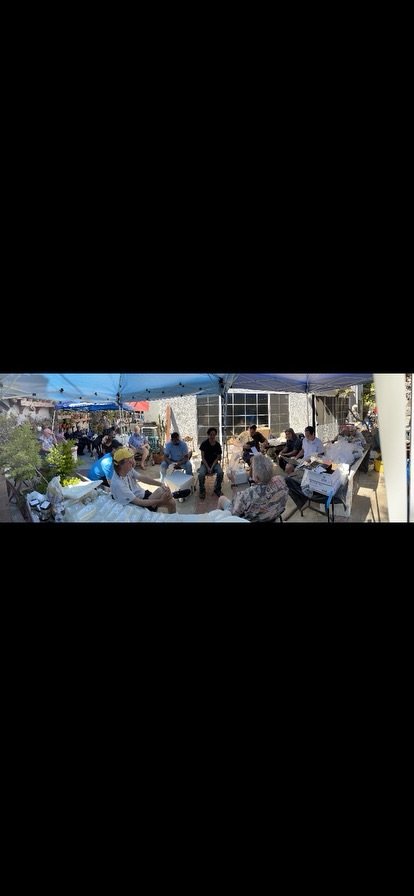
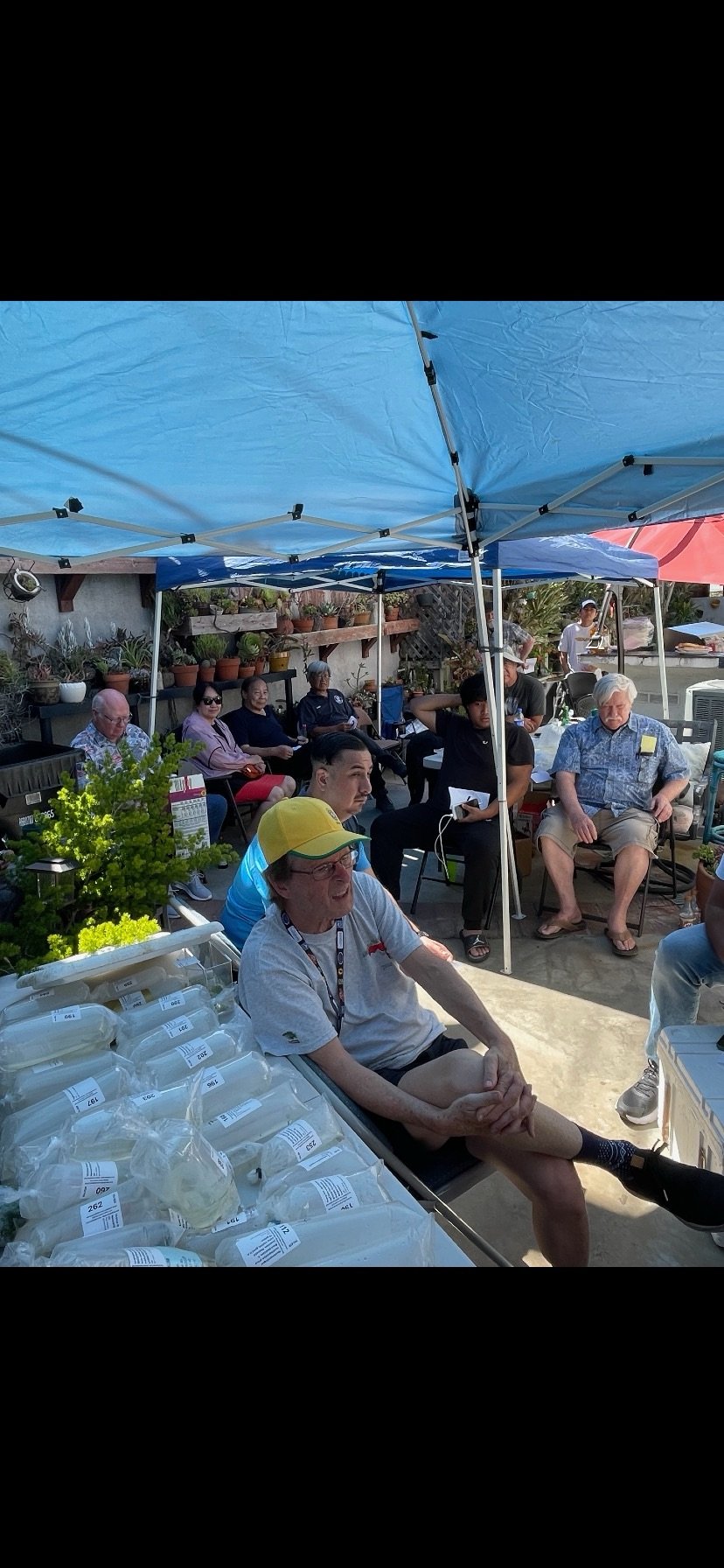
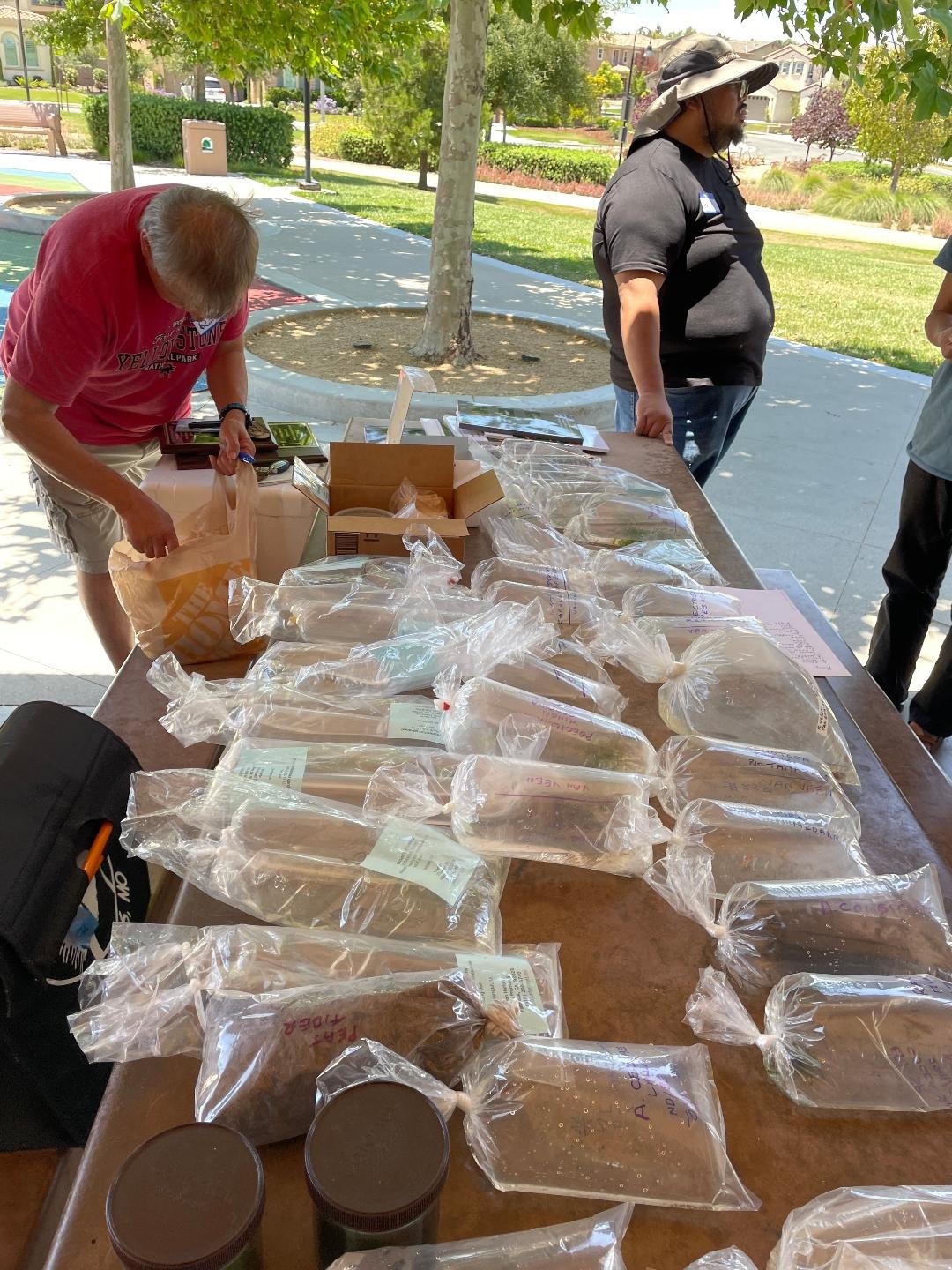
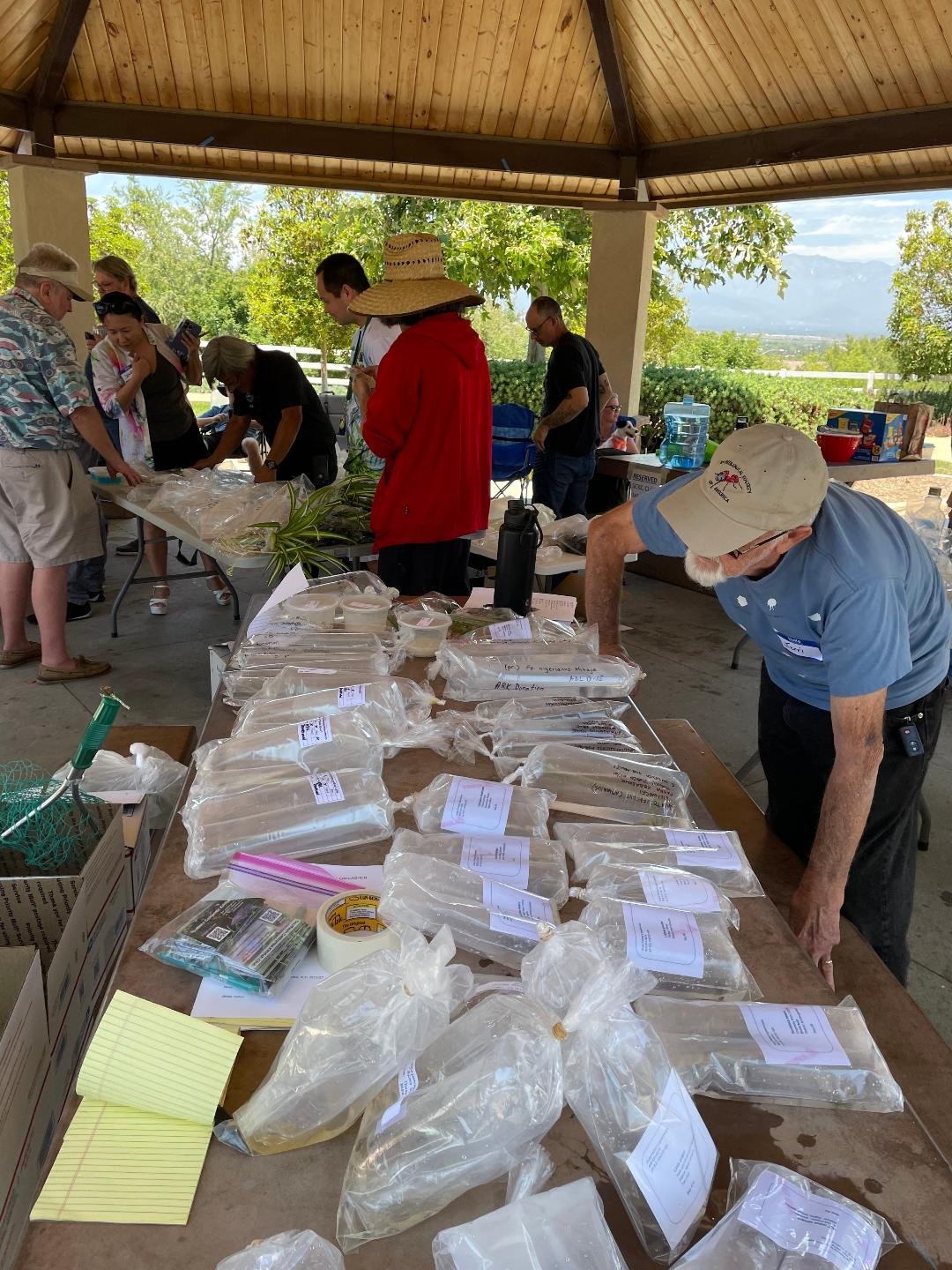
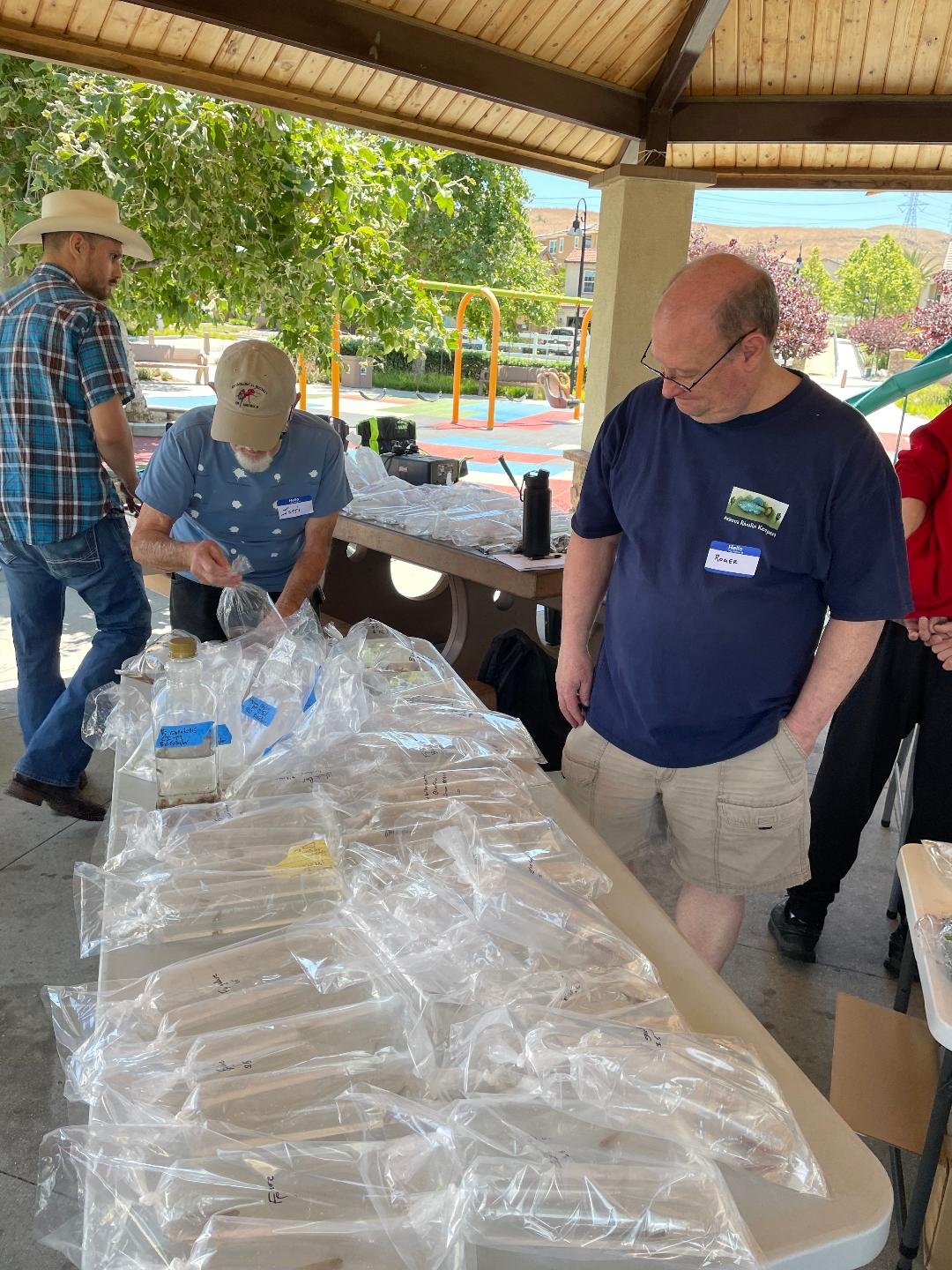
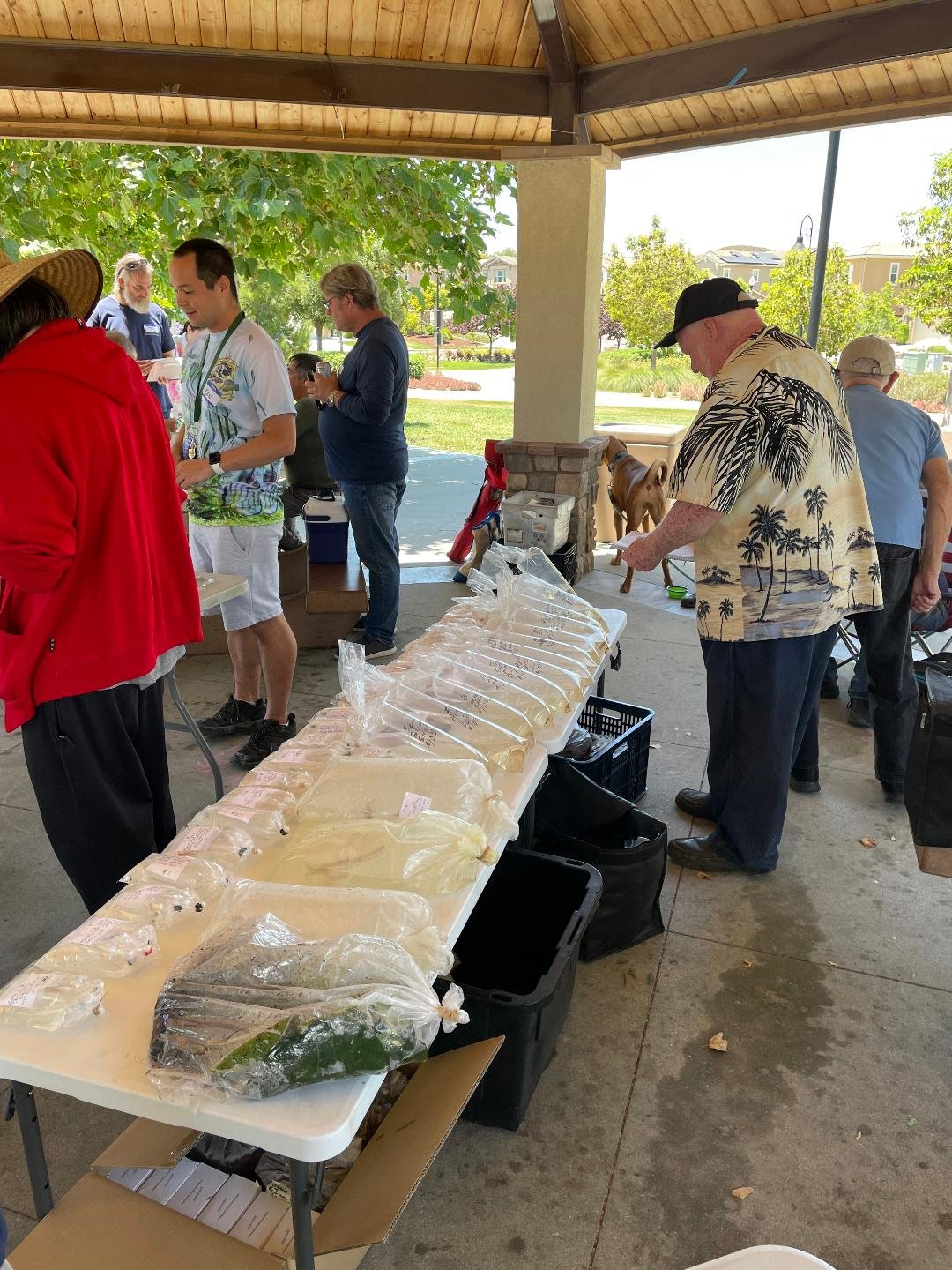
We’re back in January starting on the 3rd Saturday of the month at the home of one of our club members close to LAX. As usual, we will auction fish.
Thank you again to everyone who attended our December meeting and Annual SCKC Holiday Party, especially to those who brought food and drinks for the potluck. It was a great turnout and a fun way to wrap up the year.
Tacos will be served from the same caterer as the August BBQ. If you have not received an email with the address and invitation details, please leave a message with SCKC and introduce yourself.
Meeting Notes This meeting will most likely be held indoors due to the cold. Please note Ray has a large (well-behaved) dog and a parrot. The dog may be in another room for the meeting, but be aware if you have pet allergies.
Pre-registering helps us start the meeting smoothly. We’ll have the label printer at the event as usual.
A few reminders:
• Sellers: please register early. • Proxy bidding will be available online for SCKC members and select guests. Proxy bidders must arrange pickup or shipping with someone attending. • Need help? Visit: https://socalkillie.club/meeting-and-auction/ Or email: socalkillifish@gmail.com
We hope to see you there for tacos, fish, and a great afternoon with the club!
On July 27, 2024 David Huie presented on Fish Rooms at a joint meeting with SCAPE and SCKC. Here’s a summary of the key points he covered:
Stands
Weight Considerations: Water weighs 8.34 lbs per gallon. When accounting for the tank and substrate, the total weight is approximately 10-12 lbs per gallon.
Volume Measurements: A 4x4x4 inch cube holds about 1 liter (2.2 lbs) of water. One gallon is 231 cubic inches, and a cubic foot of water weighs 62.4 lbs.
Material Choices: Wood and metal stands are both suitable. When making a wood stand, use stainless steel screws (not nails) so the stand can be easily disassembled or adjusted. Stainless steel is important because certain metals will corrode. Never use plywood or particle board to hold weight because these materials deform or degrade in water. The exception is as a surface under the tank if it’s supported by something else.
Aeration
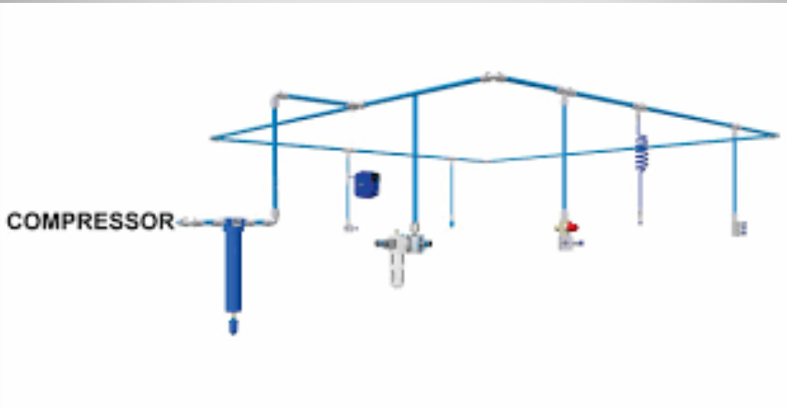
Centralized Air System: Opt for a PVC pressure loop with an input from a large pump. A system that is end-to-end and not a loop requires you to re-adjust all the valves when you change one valve. A pressure loop equalizes the pressure in the whole system and greatly reduces the need to adjust valves. Valves can be added by drilling holes into the PCV loop.
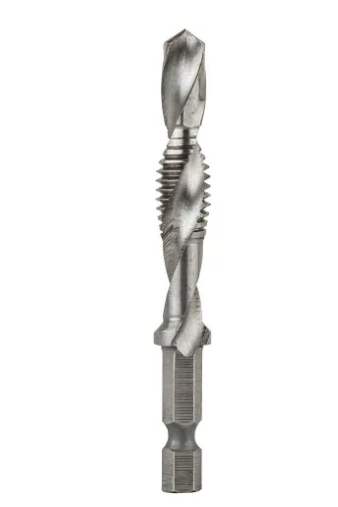
You may need to tap the PVC with a special drill bit to create threads for the valve to bite into. Use a bleed valve so unused air does not build up pressure and damage the pump.
Pressure Requirements: Calculate ~0.5 psi per foot of depth to match water pressure, plus an additional 2 psi for airflow.
Volume requirements: Calculate about 1 liter per min per air stone to create a current. Less for sponge filters or less vigorous aeration
Air Pumps
Regular Air Pumps (1-3 tanks): Examples are pumps like the Whisper-series by Tetra.
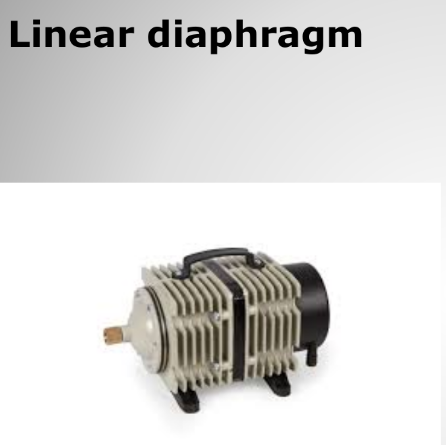
Linear Diaphragm Pumps (40-60 tanks): Powerful but loud and hot; inexpensive.
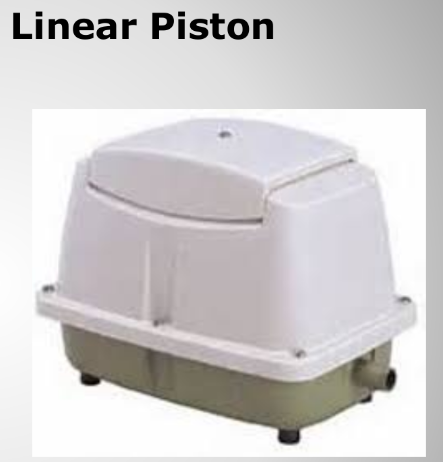
Linear Piston Pumps (40-60 tanks): Quiet, efficient, ideal for indoor spaces; more expensive but can be cheaper if bought as “septic air pump.”
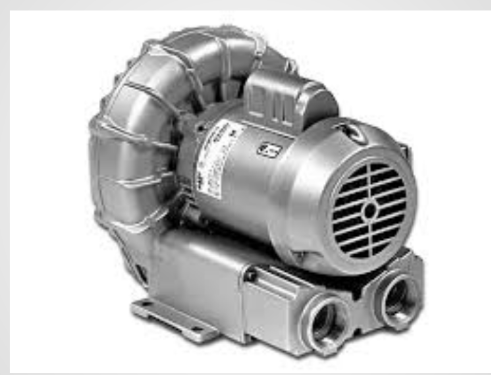
Air Blowers (60+ tanks): High-powered but loud; difficult to find lower outputs and they output directly into PVC.
Heating
You can either use aquarium heaters or heat the room. If you heat the room, humidity is less of a problem than if you heat the water. The water temperature will be a few degrees cooler than the air temperature due to evaporation. Using electric heaters is not as cost effective as natural gas if you’re heating a space. Heating the water directly will cause more evaporation and humidity than heating the air in the room. When using gas to heat the room, test the air for dangerous gasses such as carbon monoxide.
Plumbing and Water Supply
If you’re using Reverse Osmosis, you can plumb the system so the RO water goes into one tank and the heavily mineralized waste water goes into a separate tank. If you choose not to use dechlorinator, it takes about 1 week for chlorine and chloramines to evaporate out of the water. Elevating the holding tanks to the top of the fish room allows you to use gravity for water changes.
If you own the house or your landlord allows it, you can plumb a water source directly into the fish room. Plumbing is relatively easy, but learning the names for different tools, valves, and fittings can be challenging
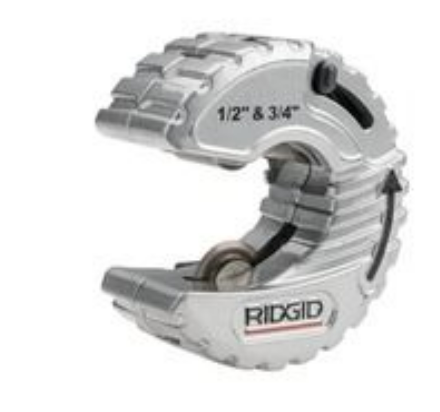
Do not cut copper pipes with a hacksaw. There are inexpensive tools to cut metal and PVC tubing cleanly. It’s also a good idea to add a valve where you cut into copper pipe so water can be shut off locally.
The depth PVC pipes are inserted into PCV Joints is always the diameter of the pipe.
PVC solvent is not glue. It dissolves the plastic and cures to form a bond.
PEX and Sharkbite fittings make plumbing much easier, but can be expensive and the longevity is unknown. Be careful bending PEX too sharply around corners.
When working with copper fittings, use two wrenches: one for the fitting and a second to hold the pipe in place. If you use one wrench and enough force, the copper pipe can bend which is an expensive problem to fix.
Water Pump
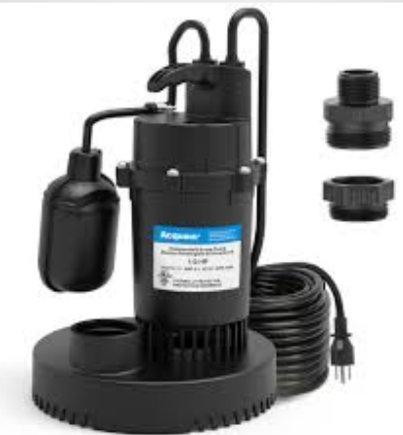
A submersible sump pump can drain water down to about 1/8 inch. Attach a hose to the pump and direct the waste water to water plants or into a drain. The pump has a base with openings cut around the bottom to prevent the water from forming a whirlpool.
Electricity
Water pumps use about 30% more than their rated wattage due to inefficiencies. Eg. a 1hp pump (746 watts) will use about 1,000 watts.
Install GFCI outlets for anything powering an aquarium.
Safety: Install GFCI outlets for any aquarium equipment. Avoid assuming wire colors are correct; always verify connections. Never trust wire colors alone because it is dangerous to assume the last person to do work on the house used the right wires.
Miscellaneous
You can bend PVC pipe very easily by heating it. If you cut open an old toaster oven, it can be used to heat PCV pipe for bending. Fill the pipe with sand or salt to prevent it from kinking when you bend it.
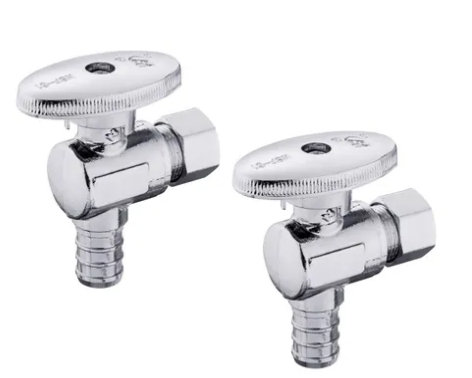
Kitchen and bathroom faucets have a valve for hot and cold water called an “angle stop”. This valve can be replaced with a T-valve connected to a hose to make water changes easier. This is superior to “Python-style” fittings that connect to the faucet (you need to remove the aerator), which are made of plastic and are not durable.
On July 27, 2024 David Huie presented on Fish Rooms at a joint meeting with SCAPE and SCKC. Here’s a summary of the key points he covered:
Stands
Weight Considerations: Water weighs 8.34 lbs per gallon. When accounting for the tank and substrate, the total weight is approximately 10-12 lbs per gallon.
Volume Measurements: A 4x4x4 inch cube holds about 1 liter (2.2 lbs) of water. One gallon is 231 cubic inches, and a cubic foot of water weighs 62.4 lbs.
Material Choices: Wood and metal stands are both suitable. When making a wood stand, use stainless steel screws (not nails) so the stand can be easily disassembled or adjusted. Stainless steel is important because certain metals will corrode. Never use plywood or particle board to hold weight because these materials deform or degrade in water. The exception is as a surface under the tank if it’s supported by something else.
Aeration
Centralized Air System: Opt for a PVC pressure loop with an input from a large pump. A system that is end-to-end and not a loop requires you to re-adjust all the valves when you change one valve. A pressure loop equalizes the pressure in the whole system and greatly reduces the need to adjust valves. Valves can be added by drilling holes into the PCV loop.
You may need to tap the PVC with a special drill bit to create threads for the valve to bite into. Use a bleed valve so unused air does not build up pressure and damage the pump.
Pressure Requirements: Calculate ~0.5 psi per foot of depth to match water pressure, plus an additional 2 psi for airflow.
Volume requirements: Calculate about 1 liter per min per air stone to create a current. Less for sponge filters or less vigorous aeration
Air Pumps
Regular Air Pumps (1-3 tanks): Examples are pumps like the Whisper-series by Tetra.
Linear Diaphragm Pumps (40-60 tanks): Powerful but loud and hot; inexpensive.
Linear Piston Pumps (40-60 tanks): Quiet, efficient, ideal for indoor spaces; more expensive but can be cheaper if bought as “septic air pump.”
Air Blowers (60+ tanks): High-powered but loud; difficult to find lower outputs and they output directly into PVC.
Heating
You can either use aquarium heaters or heat the room. If you heat the room, humidity is less of a problem than if you heat the water. The water temperature will be a few degrees cooler than the air temperature due to evaporation. Using electric heaters is not as cost effective as natural gas if you’re heating a space. Heating the water directly will cause more evaporation and humidity than heating the air in the room. When using gas to heat the room, test the air for dangerous gasses such as carbon monoxide.
Plumbing and Water Supply
If you’re using Reverse Osmosis, you can plumb the system so the RO water goes into one tank and the heavily mineralized waste water goes into a separate tank. If you choose not to use dechlorinator, it takes about 1 week for chlorine and chloramines to evaporate out of the water. Elevating the holding tanks to the top of the fish room allows you to use gravity for water changes.
If you own the house or your landlord allows it, you can plumb a water source directly into the fish room. Plumbing is relatively easy, but learning the names for different tools, valves, and fittings can be challenging
Do not cut copper pipes with a hacksaw. There are inexpensive tools to cut metal and PVC tubing cleanly. It’s also a good idea to add a valve where you cut into copper pipe so water can be shut off locally.
The depth PVC pipes are inserted into PCV Joints is always the diameter of the pipe.
PVC solvent is not glue. It dissolves the plastic and cures to form a bond.
PEX and Sharkbite fittings make plumbing much easier, but can be expensive and the longevity is unknown. Be careful bending PEX too sharply around corners.
When working with copper fittings, use two wrenches: one for the fitting and a second to hold the pipe in place. If you use one wrench and enough force, the copper pipe can bend which is an expensive problem to fix.
Water Pump
A submersible sump pump can drain water down to about 1/8 inch. Attach a hose to the pump and direct the waste water to water plants or into a drain. The pump has a base with openings cut around the bottom to prevent the water from forming a whirlpool.
Electricity
Water pumps use about 30% more than their rated wattage due to inefficiencies. Eg. a 1hp pump (746 watts) will use about 1,000 watts.
Install GFCI outlets for anything powering an aquarium.
Safety: Install GFCI outlets for any aquarium equipment. Avoid assuming wire colors are correct; always verify connections. Never trust wire colors alone because it is dangerous to assume the last person to do work on the house used the right wires.
Miscellaneous
You can bend PVC pipe very easily by heating it. If you cut open an old toaster oven, it can be used to heat PCV pipe for bending. Fill the pipe with sand or salt to prevent it from kinking when you bend it.
Kitchen and bathroom faucets have a valve for hot and cold water called an “angle stop”. This valve can be replaced with a T-valve connected to a hose to make water changes easier. This is superior to “Python-style” fittings that connect to the faucet (you need to remove the aerator), which are made of plastic and are not durable.
One of the most frustrating aspects of buying and selling aquatic items online is the shipping cost. Services like ShipStation, Pirate Ship, and Shippo provide a valuable shipping tool that allows anyone to purchase deeply discounted USPS and UPS labels online. There’s no need to subscribe to any service; the only cost to you is the shipping label, which is typically about half the regular price!
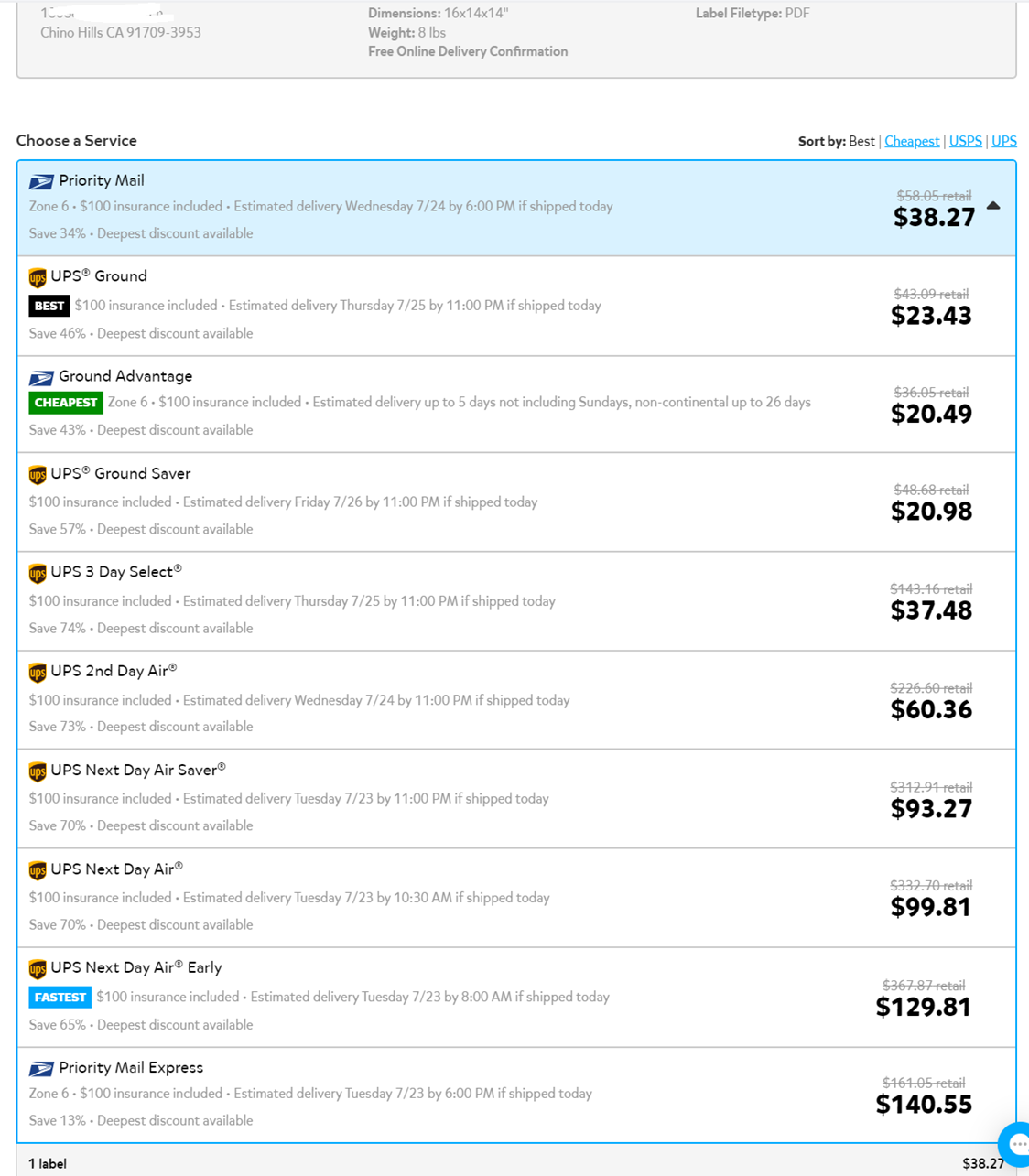
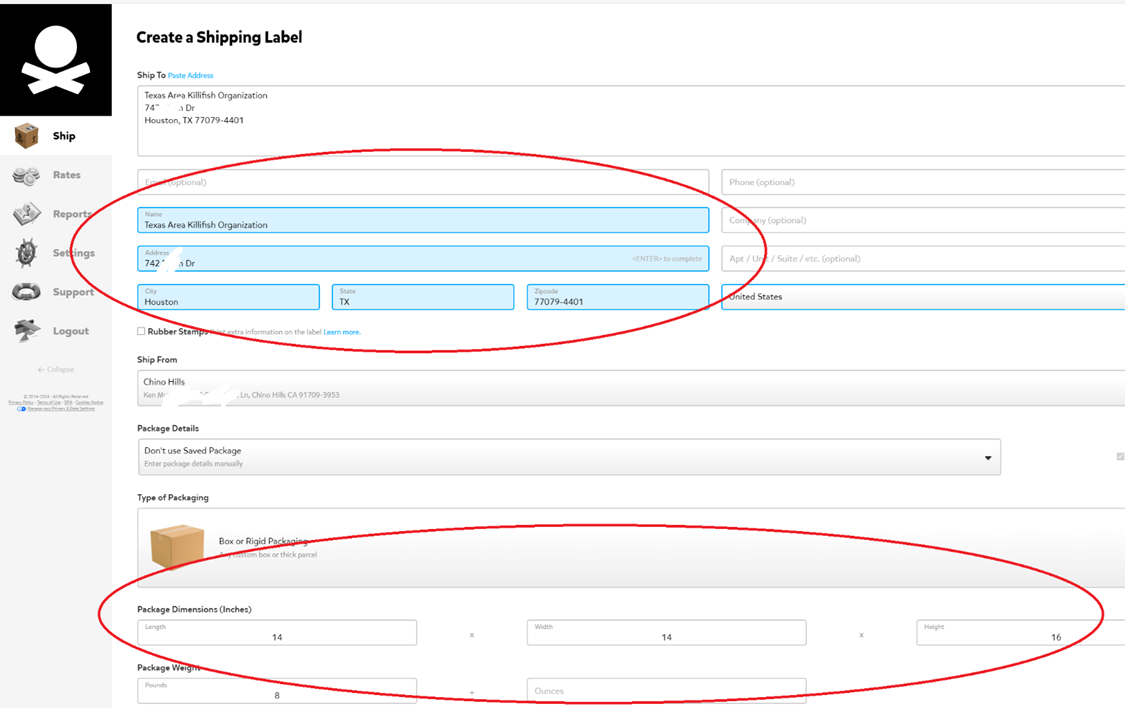
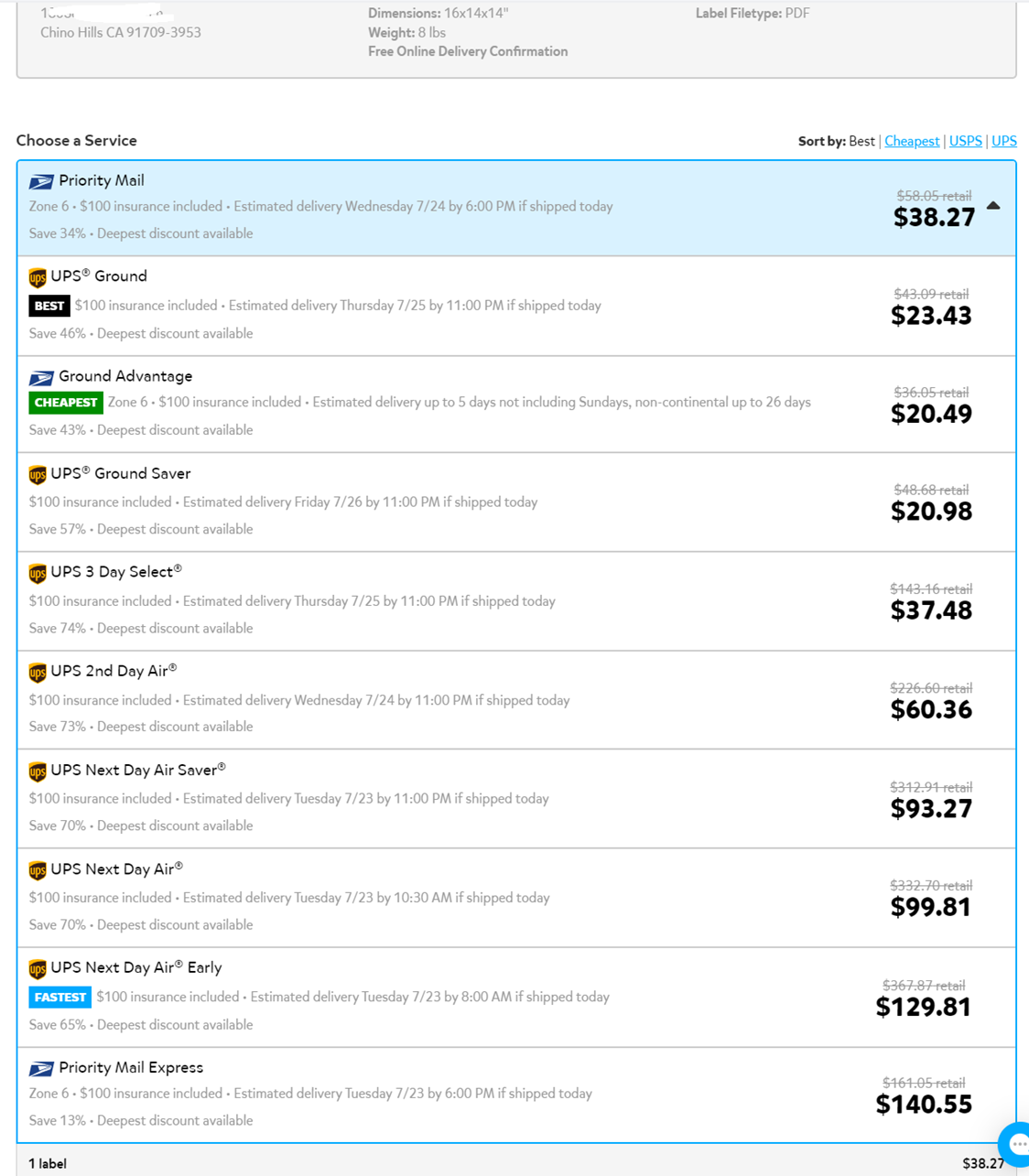
Pirate Ship shows the options to ship a 14 x 14 x 16 box from Chino Hills, CA to Houston, TX.
I have been using Pirate Ship for over a year and have been very happy with how cheap and easy it is to compare shipping options and ship my fish for the right balance of price and delivery speed. I recently discovered my PayPal integrates with another shipping tool, ShipStation, which I think is less user-friendly than Pirate Ship, but often has lower rates for UPS.
Besides using platforms such as ShipStation and Pirate Ship to buy discounted labels, a few tricks when shipping fish that worth mentioning are:
If you’re sending a package within a few hours driving distance, UPS Ground delivers next day
When sending fish to places with extremely hot or cold weather, don’t leave the box outside exposed to the elements. You can have UPS deliver to one of their hubs, or USPS to hold it at a Post Office with their “General Delivery” service.
Insulate the box to avoid temperature swings. Putting bags of fish inside bubble mailer envelopes, then putting the envelopes inside a box makes doubles as quick insulation and as waterproofing in case of a leak.
Catch your fish for the day before bagging them and don’t feed them. Fish can live without food for many days, but will die quickly if the water fouls from their waste products.
How to use PayPal’s integration to ShipStation
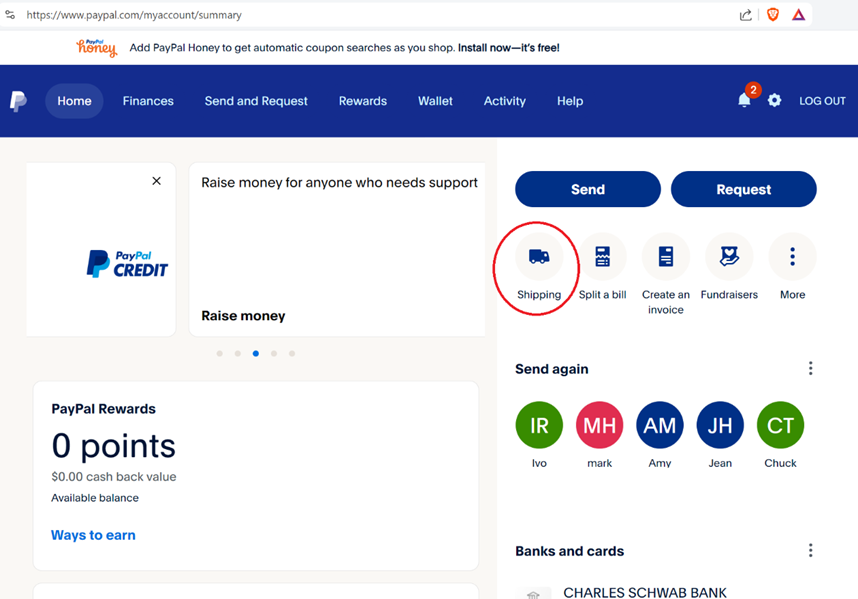
Log onto PayPal and click on shipping from the Home Page
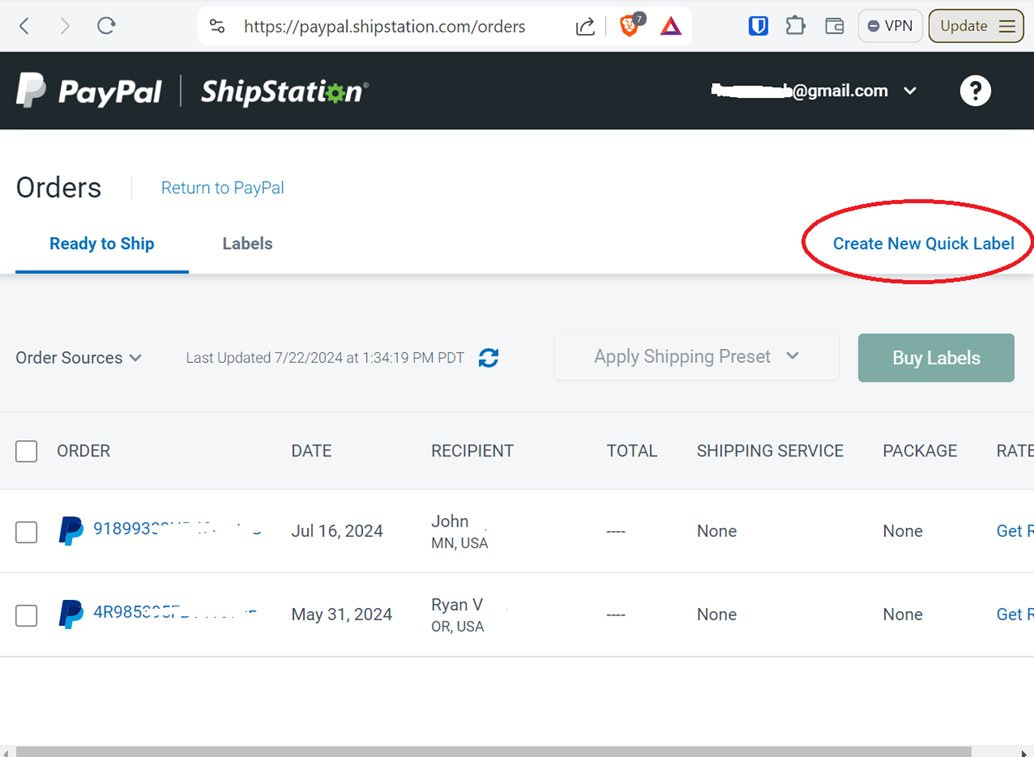
2. Create a new label
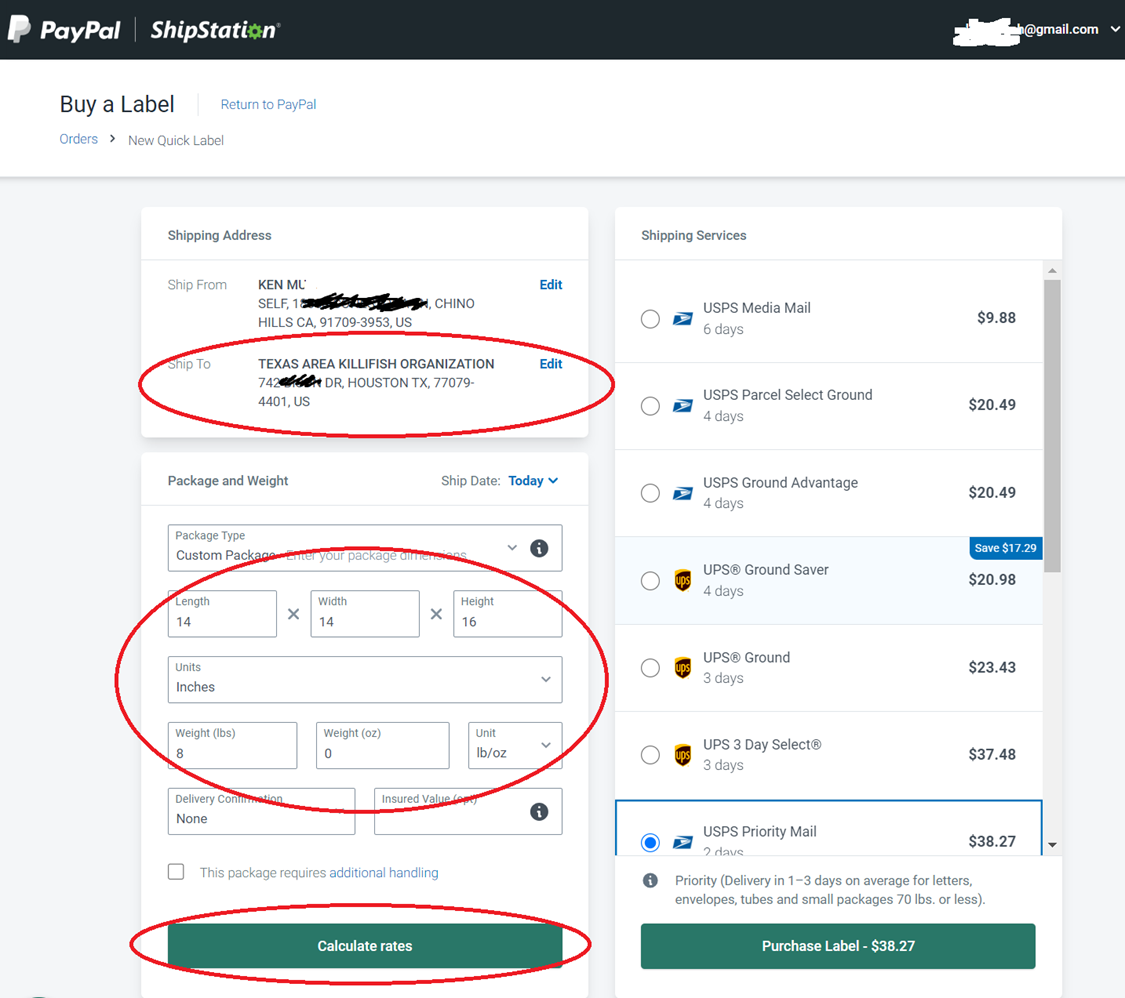
3. Enter the address you’re shipping to, the dimensions and weight of the package, then click on “Calculate Rates”. You’ll see shipping options by USPS and UPS. Select an option and purchase your label, which can be printed and attached to your package.
Compared to buying directly from USPS, using ShipStation is $20 cheaper
How to use Pirate Ship
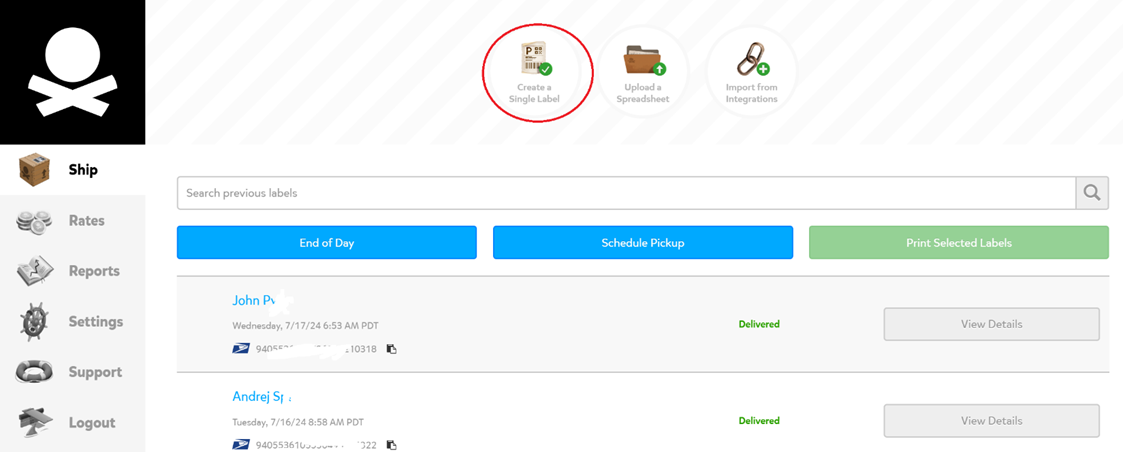
Go to https://www.pirateship.com/ and create a free account or sign in. Once you create a free account, create a shipping label
Enter address + weights and dimensions, then scroll down and click on “Get Rates”
Choose the shipping option that has the best balance of delivery time and price
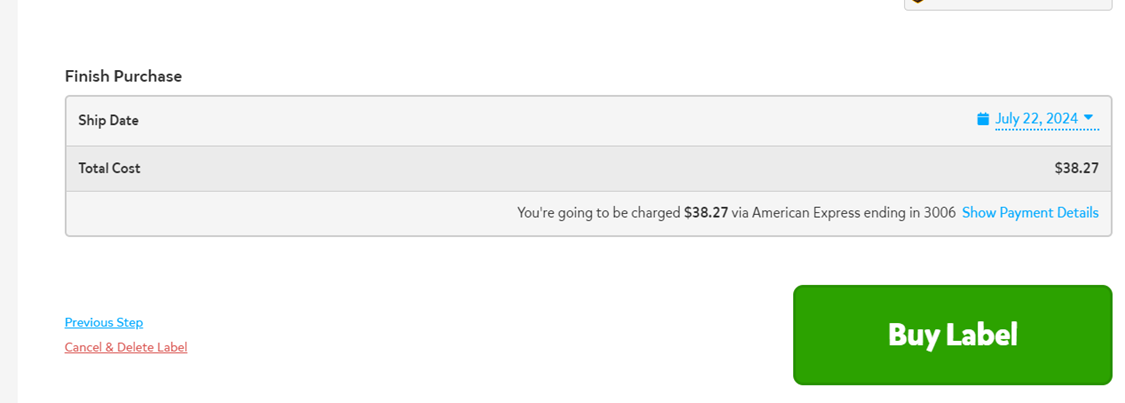
Select your shipping option and buy the label. You can print it from your computer and drop off your package!
Recent Examples of items I shipped with Pirate Ship
Package Type: USPS Priority Mail Large Flat Rate Box $19.51 Priority Mail Large Flat Rate Box • Zone 5 Estimated Delivery 05/31/2024 if shipped on 05/28/2024$15.19 Priority Mail Medium Flat Rate Box • Zone 7 Estimated Delivery 07/18/2024 by 6:00 PM if shipped on 07/16/2024Package Type: Box or Rigid Packaging Dimensions: 8x8x7 Weight: 3 lbs $9.57 UPS® Ground Estimated Delivery 06/27/2024 if shipped on 06/25/2024Dimensions: 15x10x10, Weight: 7 lbs $7.93 UPS® Ground Estimated Delivery 05/23/2024 if shipped on 05/22/2024
One of the most frustrating aspects of buying and selling aquatic items online is the shipping cost. Services like ShipStation, Pirate Ship, and Shippo provide a valuable shipping tool that allows anyone to purchase deeply discounted USPS and UPS labels online. There’s no need to subscribe to any service; the only cost to you is the shipping label, which is typically about half the regular price!
Pirate Ship shows the options to ship a 14 x 14 x 16 box from Chino Hills, CA to Houston, TX.
I have been using Pirate Ship for over a year and have been very happy with how cheap and easy it is to compare shipping options and ship my fish for the right balance of price and delivery speed. I recently discovered my PayPal integrates with another shipping tool, ShipStation, which I think is less user-friendly than Pirate Ship, but often has lower rates for UPS.
Besides using platforms such as ShipStation and Pirate Ship to buy discounted labels, a few tricks when shipping fish that worth mentioning are:
If you’re sending a package within a few hours driving distance, UPS Ground delivers next day
When sending fish to places with extremely hot or cold weather, don’t leave the box outside exposed to the elements. You can have UPS deliver to one of their hubs, or USPS to hold it at a Post Office with their “General Delivery” service.
Insulate the box to avoid temperature swings. Putting bags of fish inside bubble mailer envelopes, then putting the envelopes inside a box makes doubles as quick insulation and as waterproofing in case of a leak.
Catch your fish for the day before bagging them and don’t feed them. Fish can live without food for many days, but will die quickly if the water fouls from their waste products.
How to use PayPal’s integration to ShipStation
Log onto PayPal and click on shipping from the Home Page
2. Create a new label
3. Enter the address you’re shipping to, the dimensions and weight of the package, then click on “Calculate Rates”. You’ll see shipping options by USPS and UPS. Select an option and purchase your label, which can be printed and attached to your package.
Compared to buying directly from USPS, using ShipStation is $20 cheaper
How to use Pirate Ship
Go to https://www.pirateship.com/ and create a free account or sign in. Once you create a free account, create a shipping label
Enter address + weights and dimensions, then scroll down and click on “Get Rates”
Choose the shipping option that has the best balance of delivery time and price
Select your shipping option and buy the label. You can print it from your computer and drop off your package!
Recent Examples of items I shipped with Pirate Ship
Package Type: USPS Priority Mail Large Flat Rate Box $19.51 Priority Mail Large Flat Rate Box • Zone 5 Estimated Delivery 05/31/2024 if shipped on 05/28/2024$15.19 Priority Mail Medium Flat Rate Box • Zone 7 Estimated Delivery 07/18/2024 by 6:00 PM if shipped on 07/16/2024Package Type: Box or Rigid Packaging Dimensions: 8x8x7 Weight: 3 lbs $9.57 UPS® Ground Estimated Delivery 06/27/2024 if shipped on 06/25/2024Dimensions: 15x10x10, Weight: 7 lbs $7.93 UPS® Ground Estimated Delivery 05/23/2024 if shipped on 05/22/2024
One of the most frustrating aspects of buying and selling aquatic items online is the shipping cost. Services like ShipStation, Pirate Ship, and Shippo provide a valuable shipping tool that allows anyone to purchase deeply discounted USPS and UPS labels online. There’s no need to subscribe to any service; the only cost to you is the shipping label, which is typically about half the regular price!
Pirate Ship shows the options to ship a 14 x 14 x 16 box from Chino Hills, CA to Houston, TX.
I have been using Pirate Ship for over a year and have been very happy with how cheap and easy it is to compare shipping options and ship my fish for the right balance of price and delivery speed. I recently discovered my PayPal integrates with another shipping tool, ShipStation, which I think is less user-friendly than Pirate Ship, but often has lower rates for UPS.
Besides using platforms such as ShipStation and Pirate Ship to buy discounted labels, a few tricks when shipping fish that worth mentioning are:
If you’re sending a package within a few hours driving distance, UPS Ground delivers next day
When sending fish to places with extremely hot or cold weather, don’t leave the box outside exposed to the elements. You can have UPS deliver to one of their hubs, or USPS to hold it at a Post Office with their “General Delivery” service.
Insulate the box to avoid temperature swings. Putting bags of fish inside bubble mailer envelopes, then putting the envelopes inside a box makes doubles as quick insulation and as waterproofing in case of a leak.
Catch your fish for the day before bagging them and don’t feed them. Fish can live without food for many days, but will die quickly if the water fouls from their waste products.
How to use PayPal’s integration to ShipStation
Log onto PayPal and click on shipping from the Home Page
2. Create a new label
3. Enter the address you’re shipping to, the dimensions and weight of the package, then click on “Calculate Rates”. You’ll see shipping options by USPS and UPS. Select an option and purchase your label, which can be printed and attached to your package.
Compared to buying directly from USPS, using ShipStation is $20 cheaper
How to use Pirate Ship
Go to https://www.pirateship.com/ and create a free account or sign in. Once you create a free account, create a shipping label
Enter address + weights and dimensions, then scroll down and click on “Get Rates”
Choose the shipping option that has the best balance of delivery time and price
Select your shipping option and buy the label. You can print it from your computer and drop off your package!
Recent Examples of items I shipped with Pirate Ship
Package Type: USPS Priority Mail Large Flat Rate Box $19.51 Priority Mail Large Flat Rate Box • Zone 5 Estimated Delivery 05/31/2024 if shipped on 05/28/2024$15.19 Priority Mail Medium Flat Rate Box • Zone 7 Estimated Delivery 07/18/2024 by 6:00 PM if shipped on 07/16/2024Package Type: Box or Rigid Packaging Dimensions: 8x8x7 Weight: 3 lbs $9.57 UPS® Ground Estimated Delivery 06/27/2024 if shipped on 06/25/2024Dimensions: 15x10x10, Weight: 7 lbs $7.93 UPS® Ground Estimated Delivery 05/23/2024 if shipped on 05/22/2024
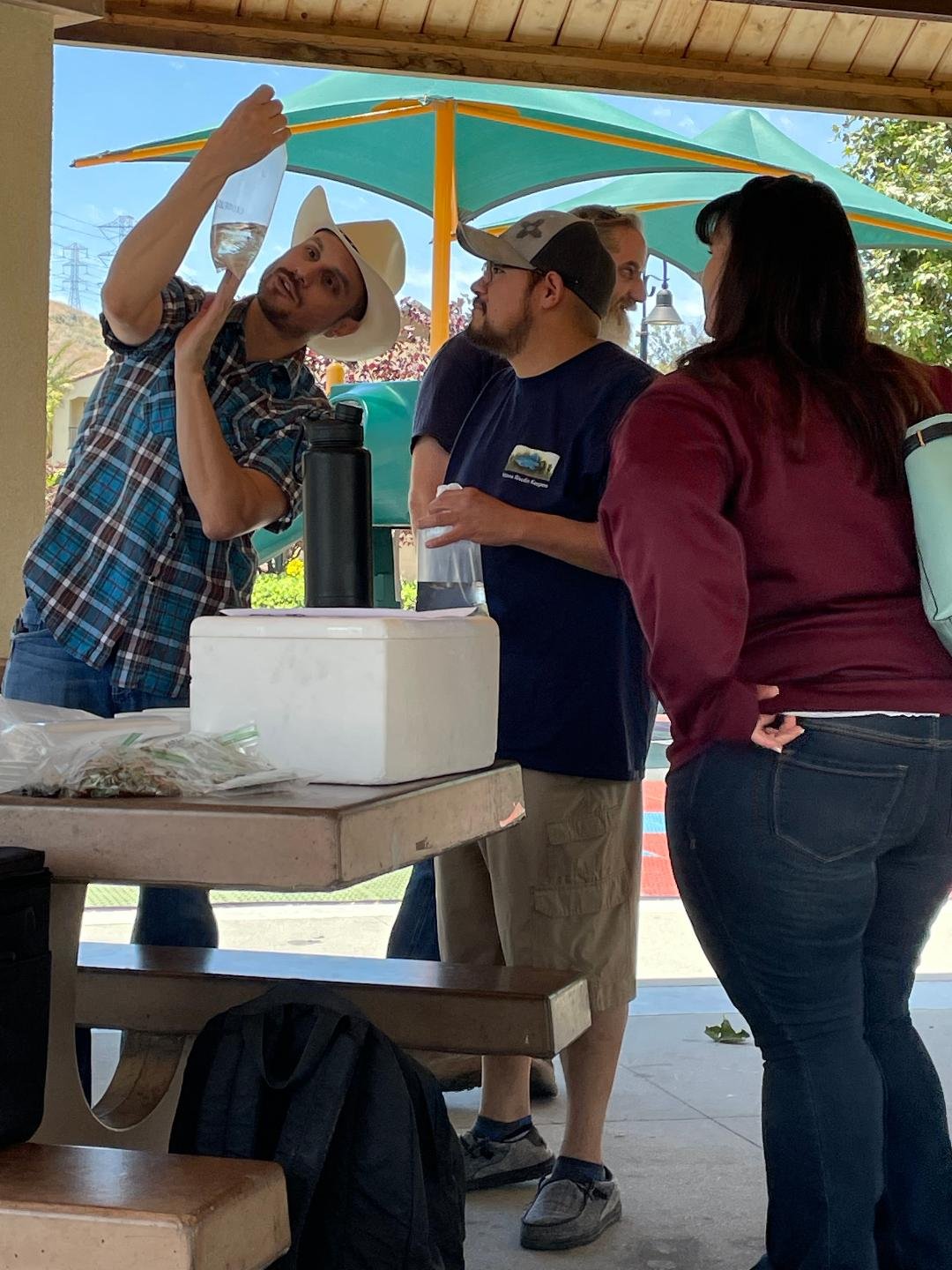
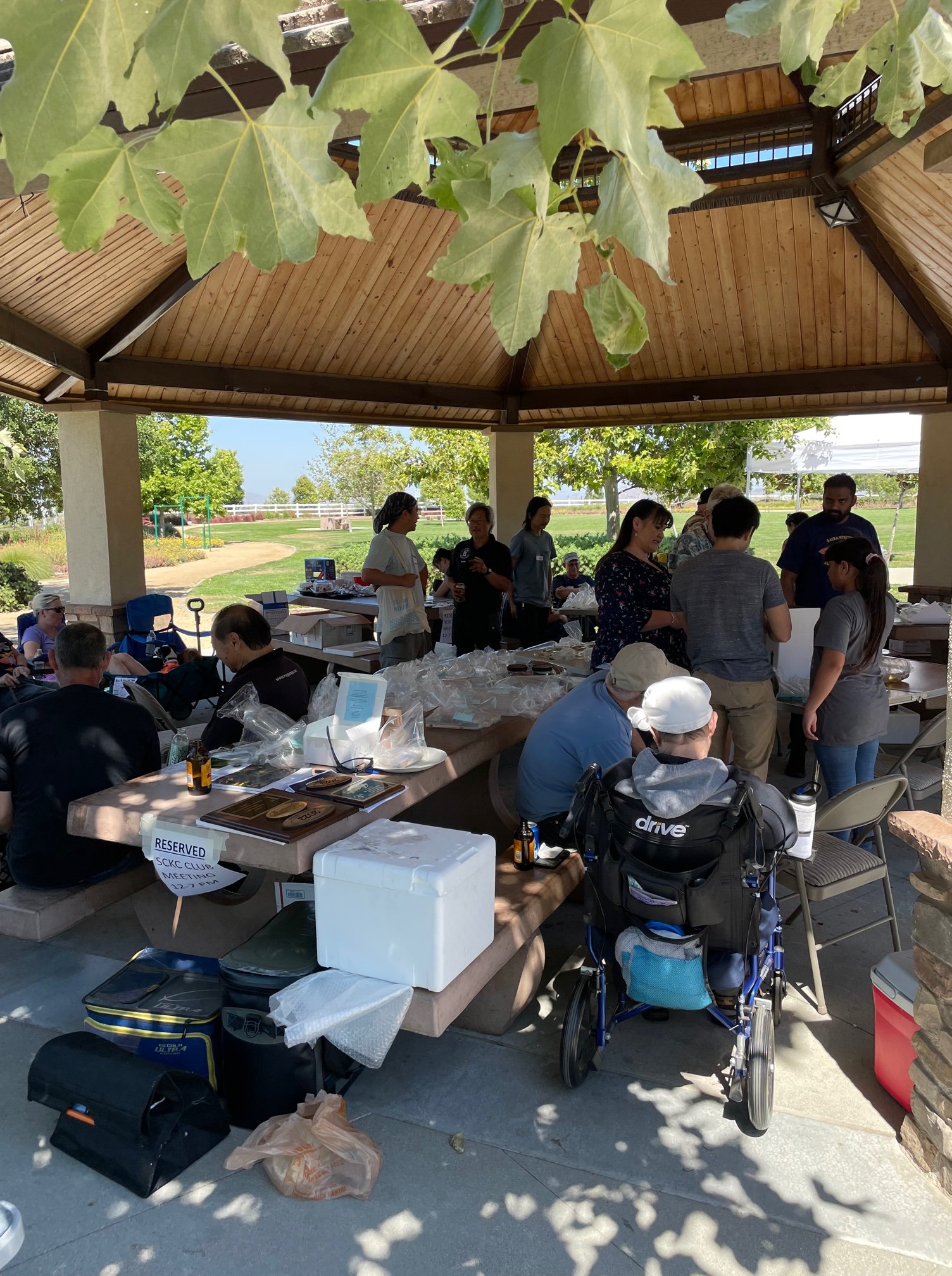
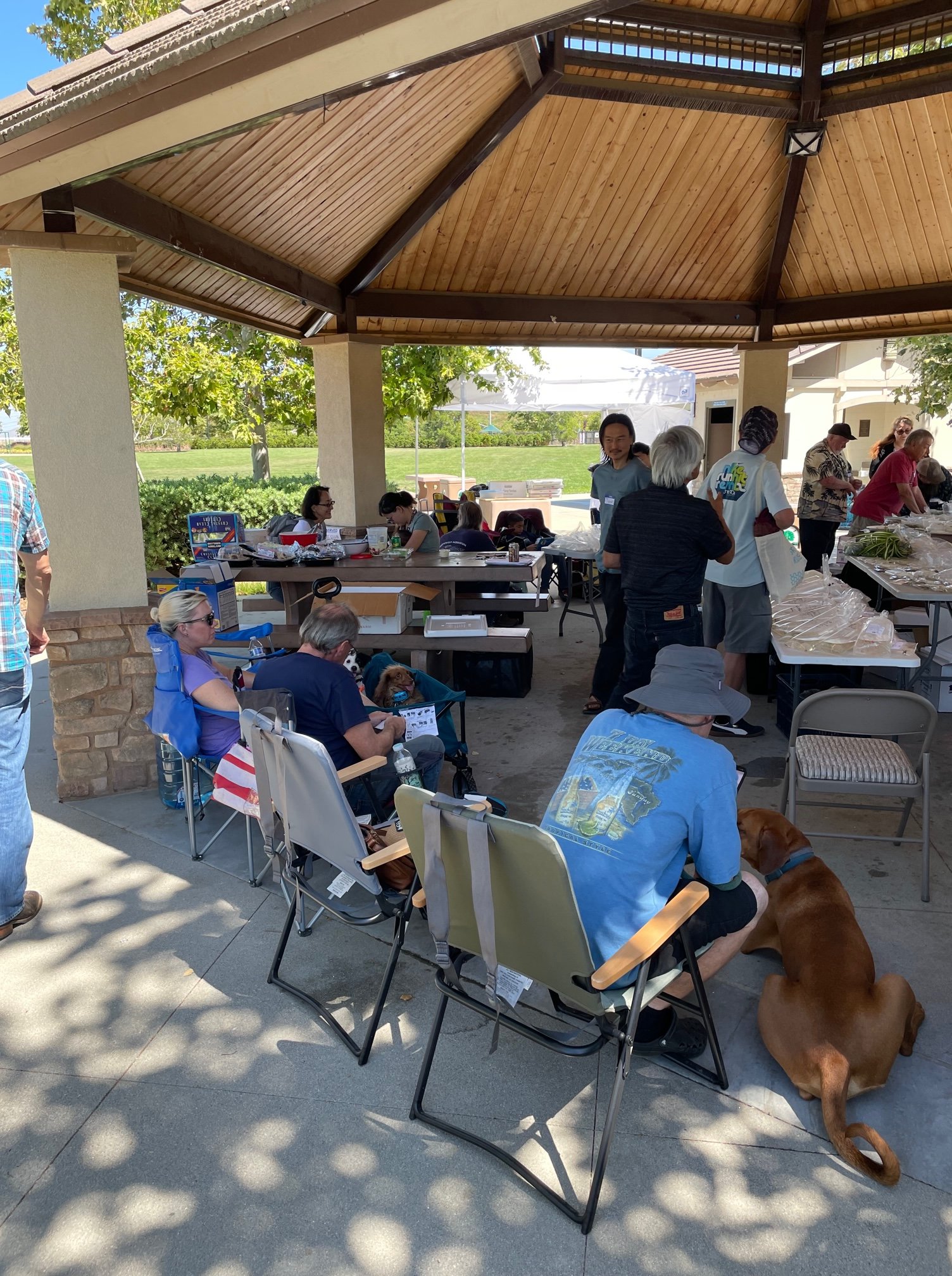
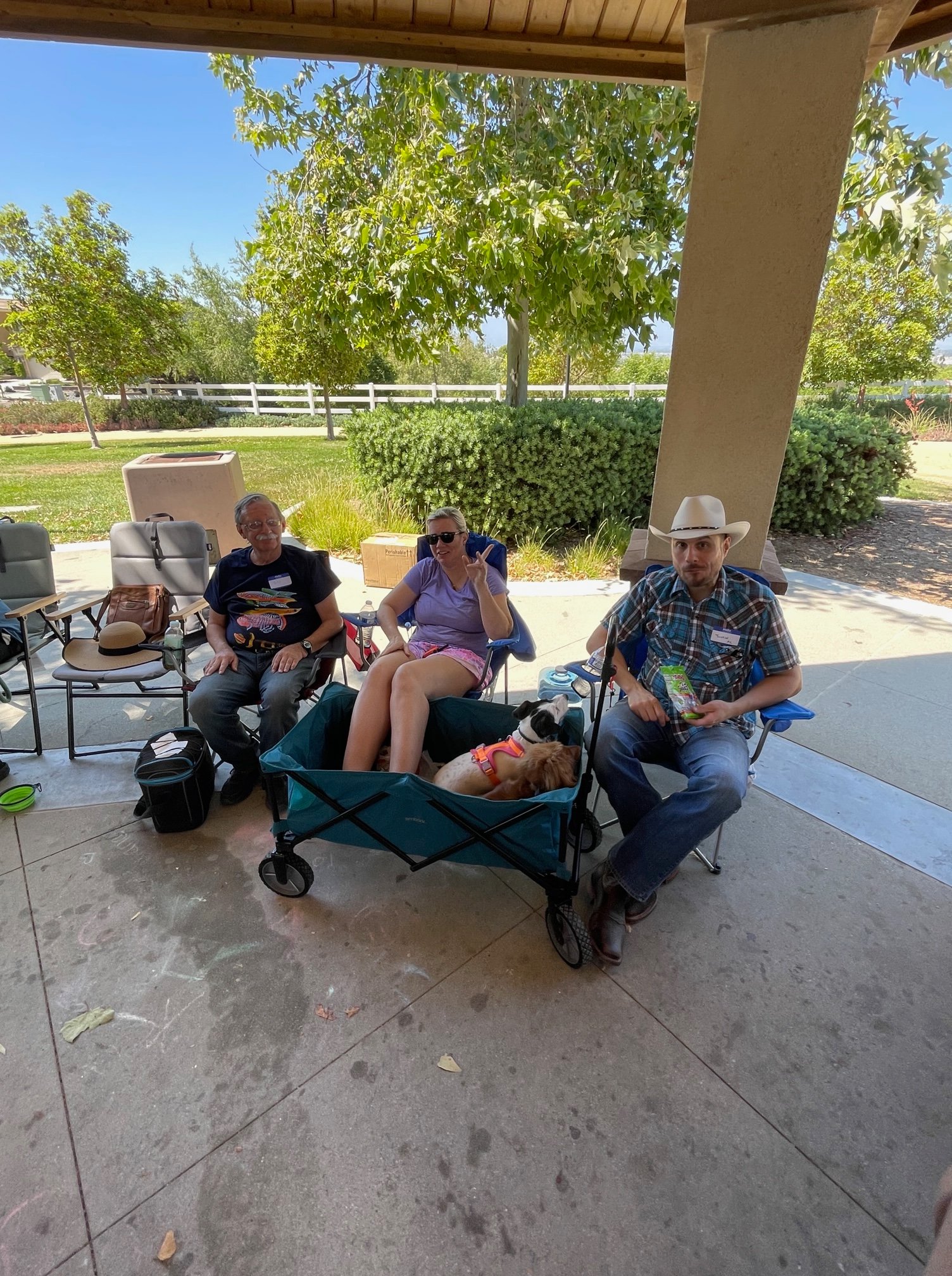
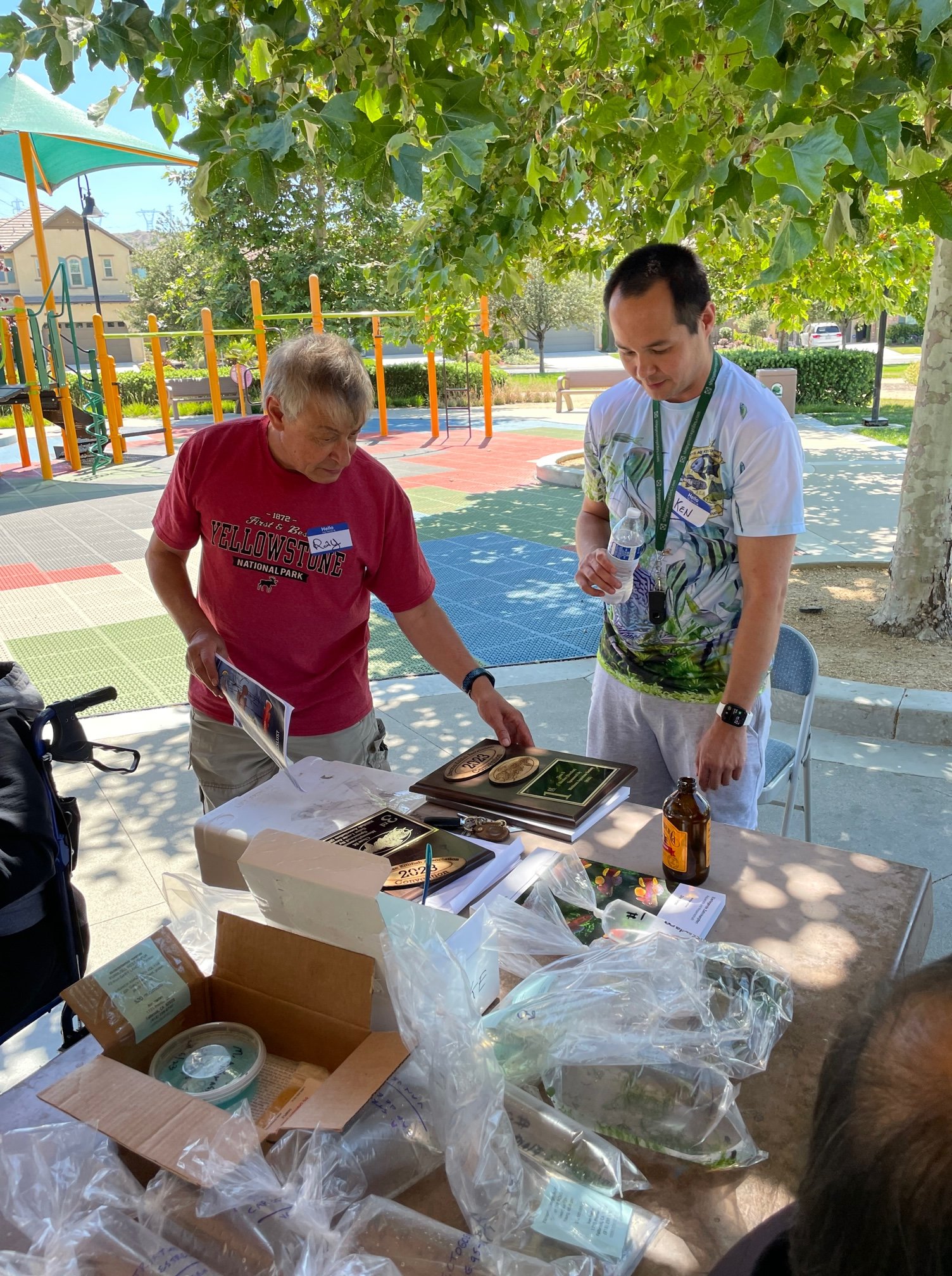
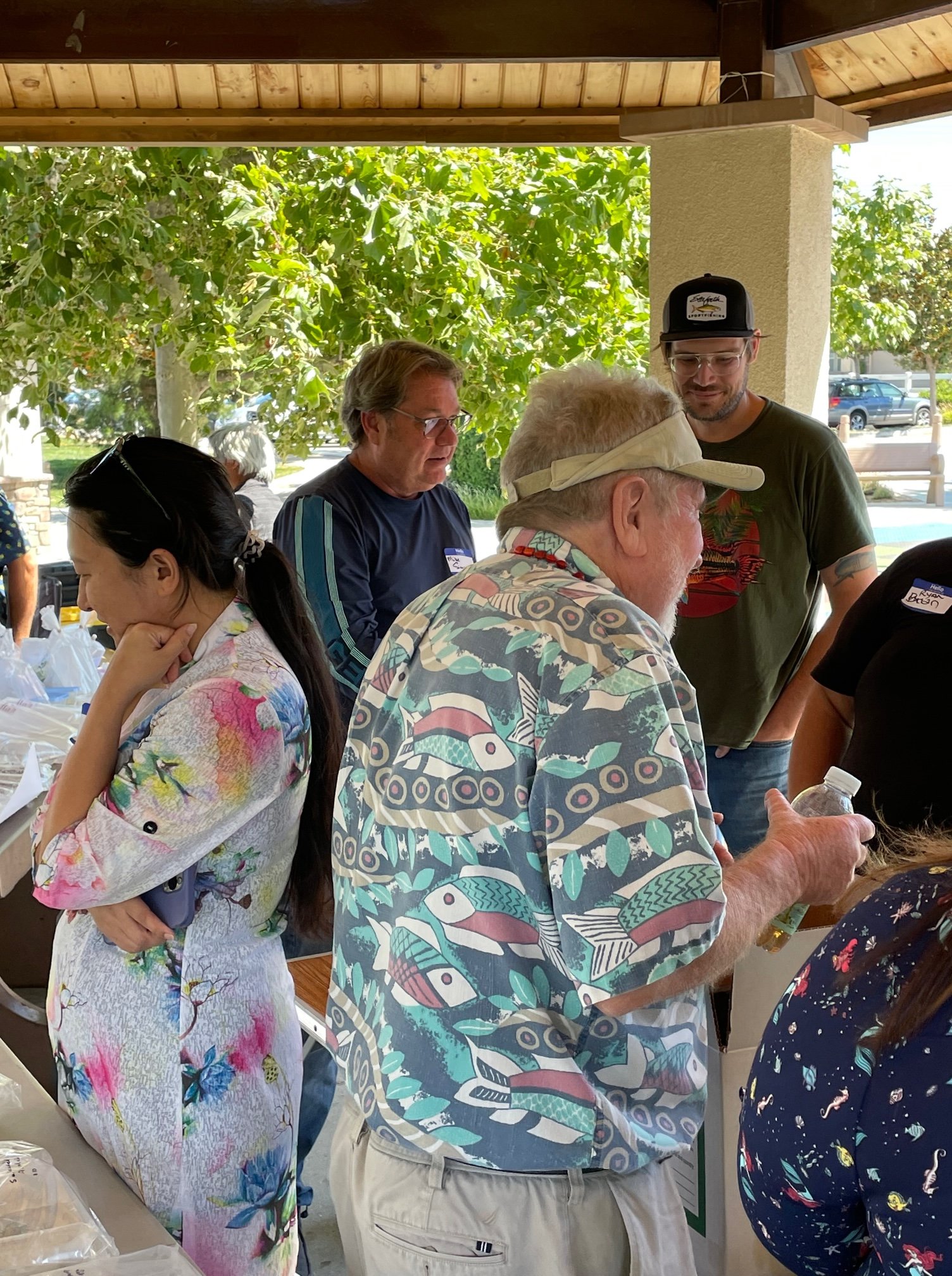
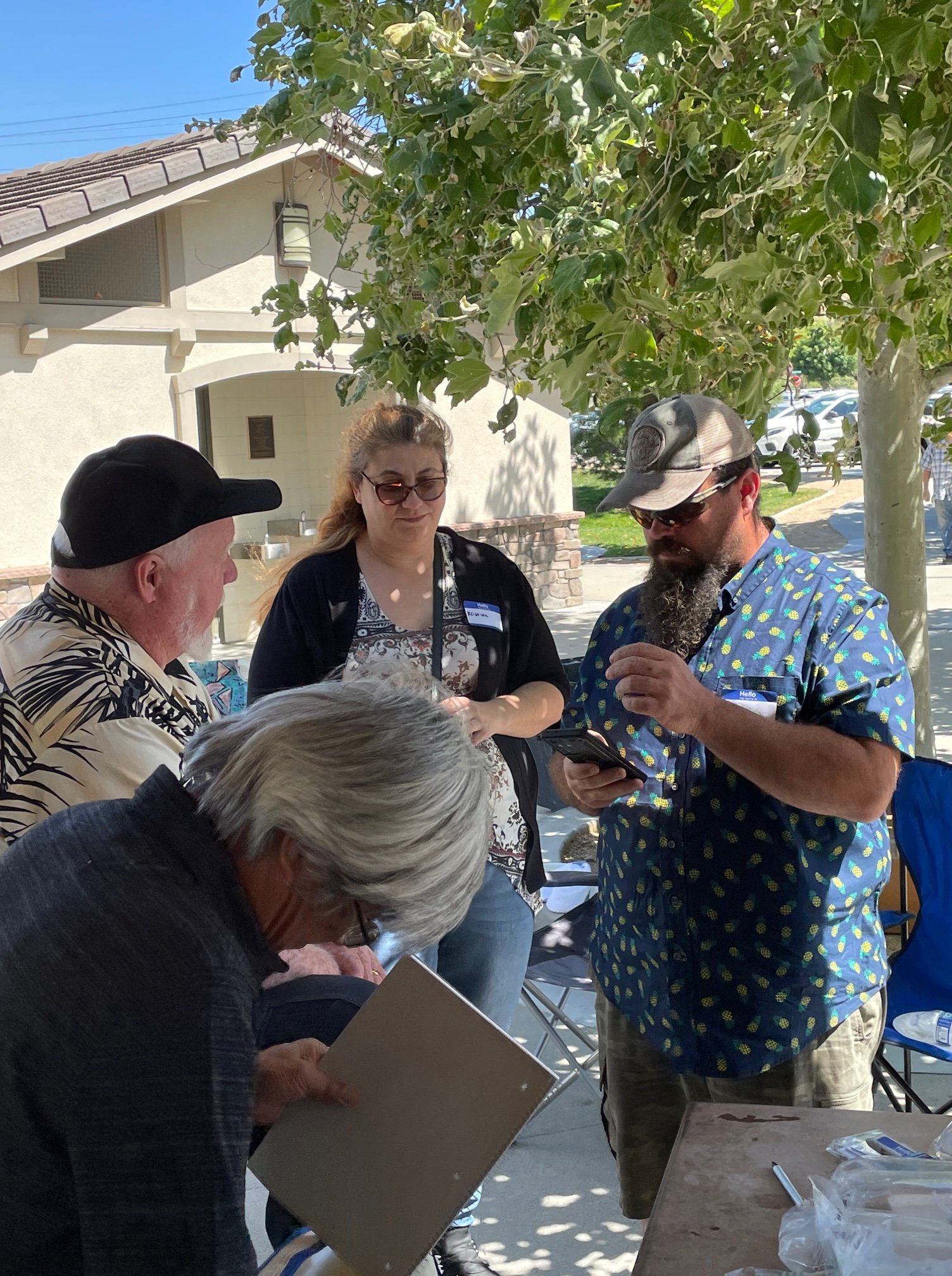
Thank you for everyone who attended the June BBQ. Ray was a spectacular host and we were fortunate to be so near the coast on a hot day. In addition to our regular members, we had guests from out of town, as well as several mail-in boxes of fish.
Thank you for everyone who attended the June BBQ. Ray was a spectacular host and we were fortunate to be so near the coast on a hot day. In addition to our regular members, we had guests from out of town, as well as several mail-in boxes of fish.
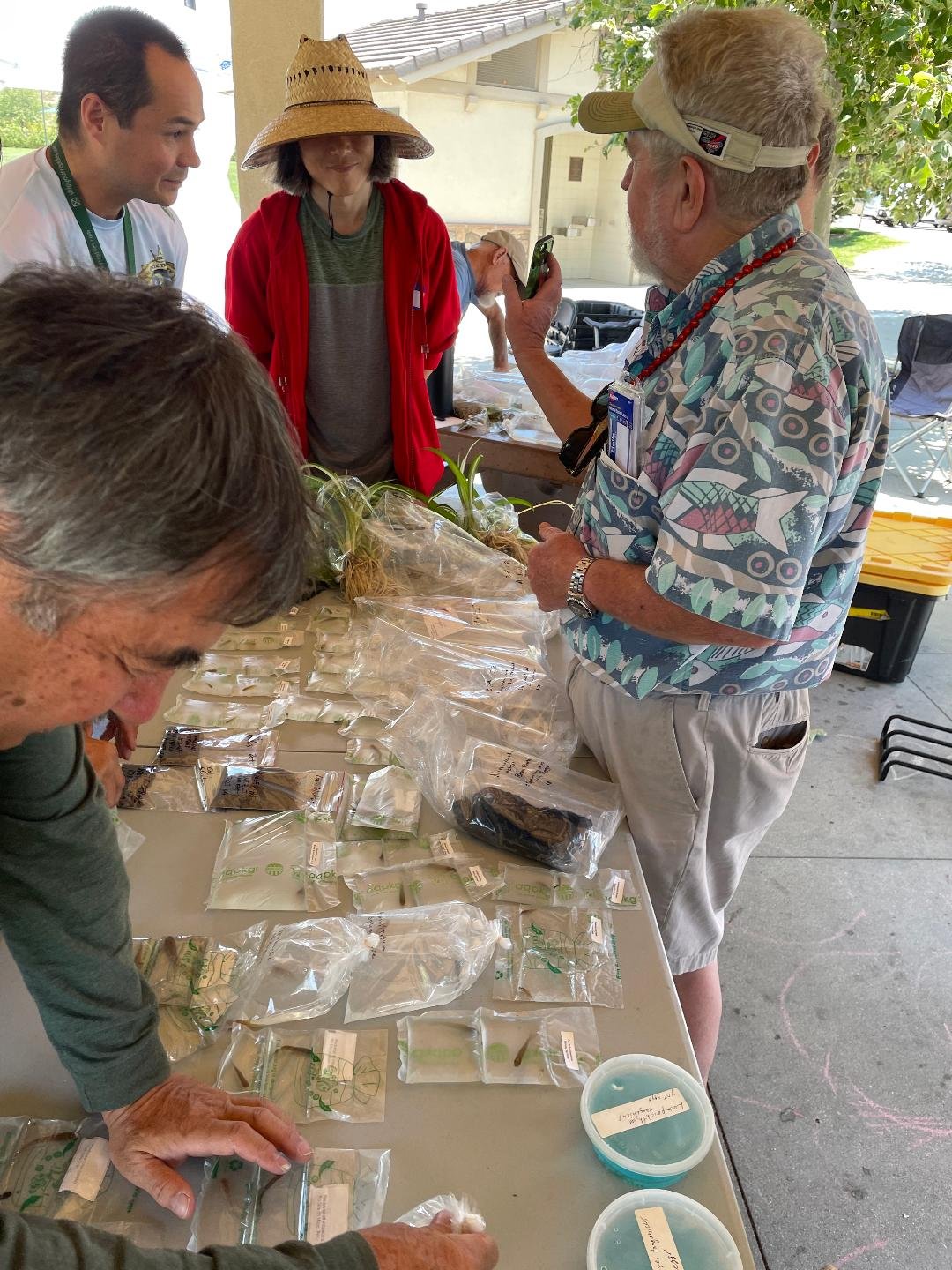
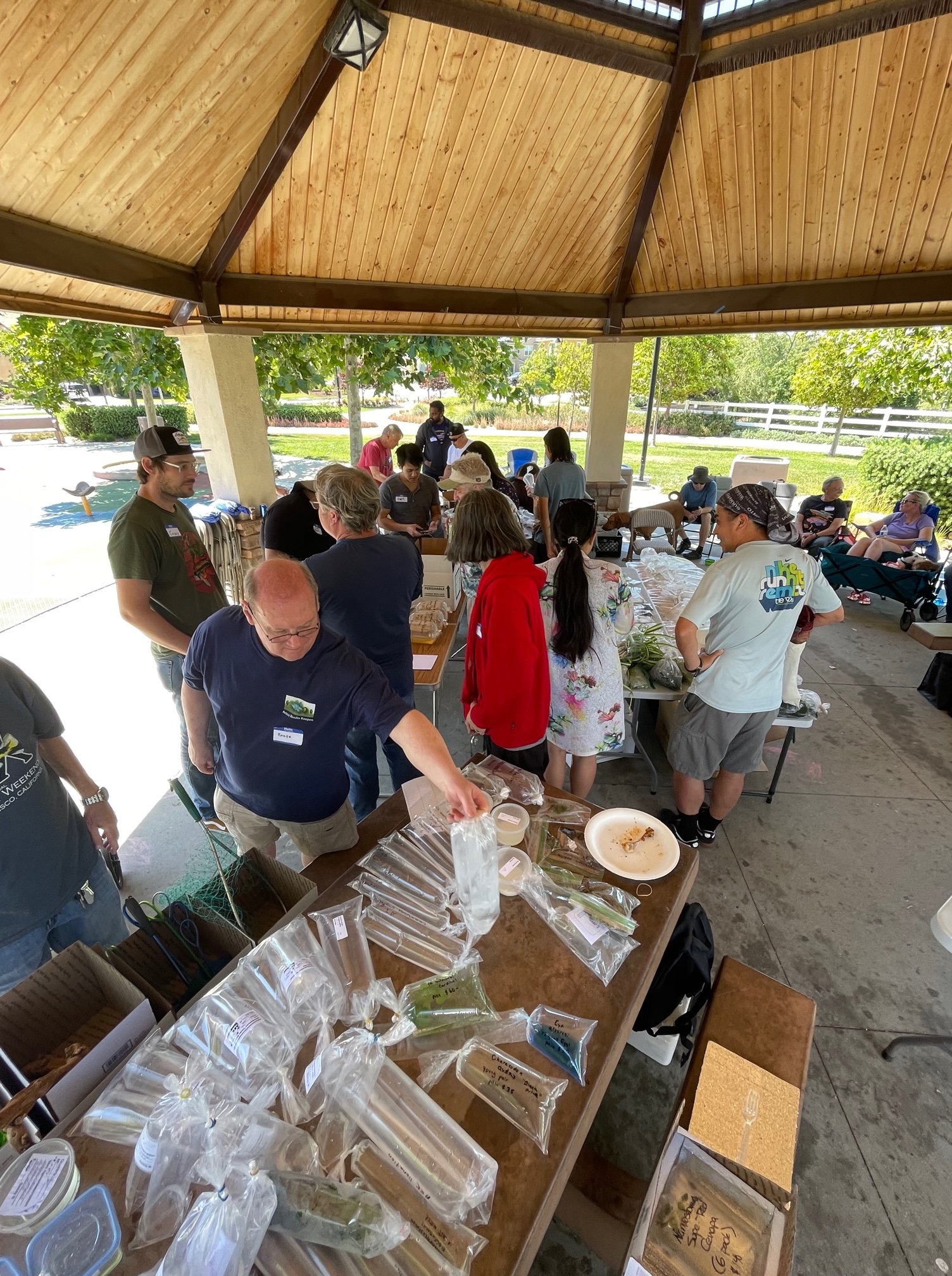
SCKC’s Annual BBQ / Fish fry in Chino Hills was a successful gathering of aquarists who keep killifish and wild-type fish. The weather was perfect and the venue allowed plenty of space for all the members and fish present. We had a excellent turnout of both local members and guests from Arizona and Northern California.
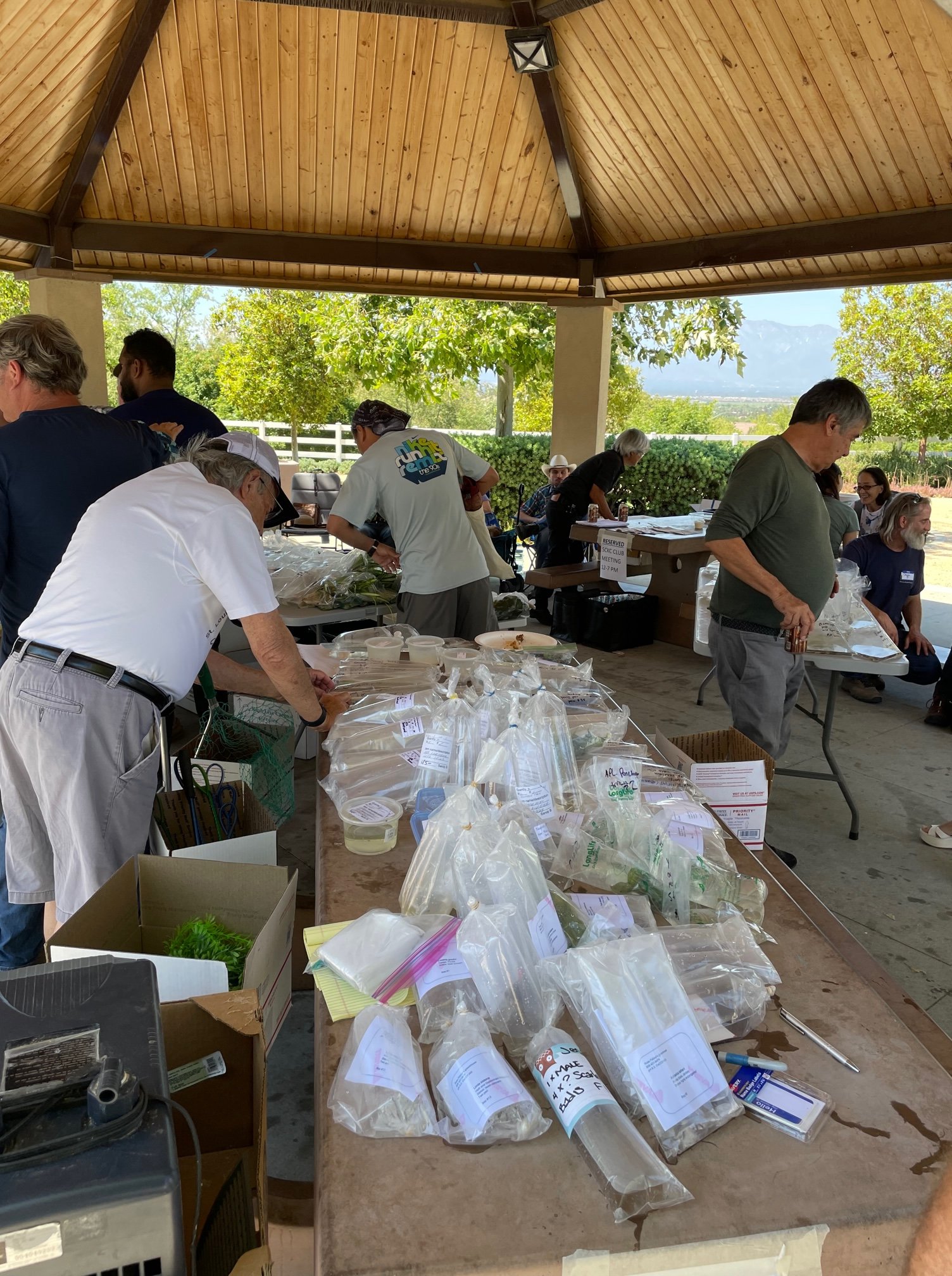
The club was fortunate to exchange many fish we don’t normally encounter thanks to the generosity and support of aquarists both local and far from SCKC’s usual geography. While killifish were central to the event, other fish also made a strong showing. We enjoyed wild bettas from Blackwater Aquatics, wild-caught fish from Peru by Casey Schafer, some rainbowfish extremely rare in the hobby, and North-American native fish collected by Ken Normandin.
While the event was largely successful, we recognized areas for improvement in order to make future events even better. SCKC is determined to strengthen its focus on killifish and wild-type fish, simplify the auction process, and explore strategies to handle the club’s growth as it expands into a larger community.
Did you know you can fly US domestic flights with bags of live fish?
Our club president, Ron Harlan, contacted TSA about their current rules about flying domestically with aquatic life. I pasted TSA’s response (dated 5/21/2021) below for the benefit of the club and the general public.
When you go through security at the airport, tell the TSA agent you have live fish and you that you need a “hand check”. If the agent might already be familiar with the policy if you’re flying from an event where many people are bringing home fish. If the agent is not familiar with the policy, it’s likely you’ll need to request a supervisor to help. It’s a very good idea to have a printed copy of TSA’s regulations on live fish https://www.tsa.gov/travel/security-screening/whatcanibring/items/live-fish
Policy and Procedures
TSOs Have Discretion
TSA Officers have the discretion to prohibit any item through the screening checkpoint or onboard an aircraft if they believe it poses a security threat. This discretion applies even if the item is not on the prohibited items list. The permitted and prohibited items lists are not intended to be all-inclusive. You may ask to speak to a supervisor at any time.
For travel tips and information about our screening procedures and what you can bring, please visit www.tsa.gov/travel.
Plants and Animals
Pet Fish
You may travel with live fish in your carry-on bag. The fish must be swimming in water that is contained in a clear, spill-proof glass or plastic container. The container may be larger than 3.4 ounces. TSA Officers will visually inspect the fish at the screening checkpoint. If the fish is observed as alive and swimming, it will be permitted through the checkpoint. We recommend contacting your airline to inquire about any additional guidelines they may have for traveling with live fish.
For travel tips and information about our screening procedures and what you can bring, please visit www.tsa.gov/travel.
Miscellaneous
What Can I Bring
We have developed a tool to assist you in determining if an item may be taken onboard an aircraft. The What Can I Bring? tool will tell you if the item can be taken in checked or carry-on baggage or if there are special instructions. Please visit www.tsa.gov/travel/security-screening/whatcanibring.